
Mental Health Benefits of AI
Mental Health Benefits of AI
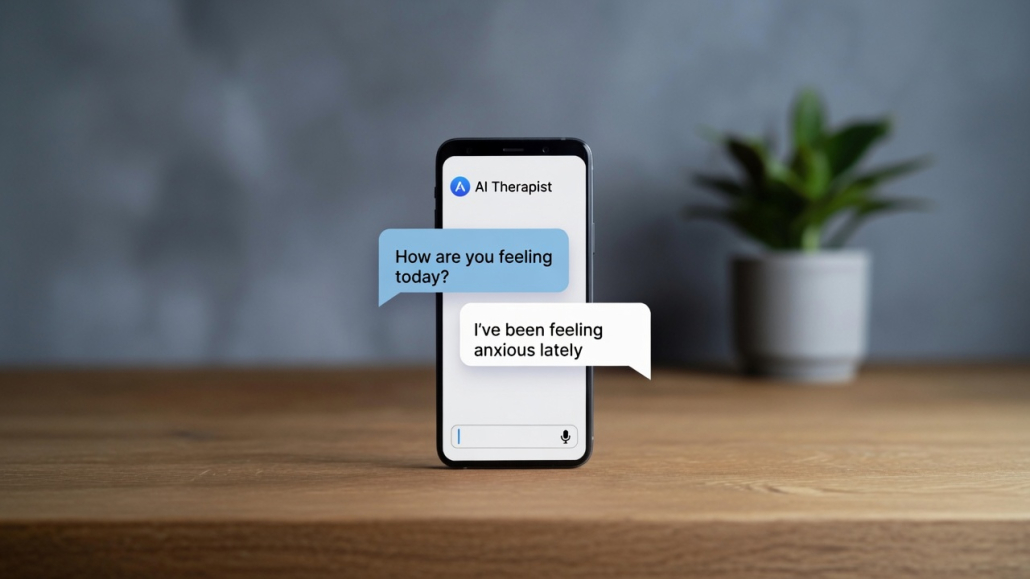
With rising global mental health challenges, it is inevitable to start wondering if there are any mental health benefits of AI. If so, how can an artificial intelligence tool help us cope with stress, anxiety, and burnout? Many have already started using ChatGPT to consult on any concerns they have in their daily life, and mental health is no exception.
After all, not everyone has access to traditional mental health care. This is why AI is emerging as a supportive tool for those who want to strengthen their mental health and improve their overall well-being. In this article, we will look at the mental health benefits this technology offers and how to use it safely.
AII in Mental Health
Besides the well-known ChatGPT, other AI tools and platforms used in mental health include chatbots, mood-tracking apps, and predictive analytics, among others. The healthcare industry is already using artificial intelligence, particularly to streamline administrative workflows. In other words, many psychologists and community clinics are already maximizing the potential of this technology. That said, how can AI benefit those who are not working professionals? What can a person struggling with certain challenges and issues expect from AI?
What is important to highlight is that AI cannot replace a therapeutic process. Working with your chosen therapist allows you to dive deep into your concerns, fears, and desires to learn more about yourself and the best ways to deal with them. Technology cannot replace such an intimate and expert approach, yet it can serve as a self-assessment tool.
Benefits of AI for Mental Health
When used right, AI tools can provide numerous benefits for their users. One of the most obvious is 24/7 accessibility and immediate support. If you’re unable to fall asleep because you can’t stop thinking about how to start a conversation with a colleague you had a dispute with, you can consult your preferred AI tool.
This can be especially beneficial for people who struggle with anxiety if their minds struggle to relax before sleep. All you need is your phone or laptop, and you can ask as many questions as you want. You can also ask for advice on how to ask for a raise, the best ideas for a first date, how to set boundaries with people in your life, and so on.
For those who have never tried therapy, asking these questions to AI can make them feel less exposed and vulnerable. Anonymous interaction lowers fear of judgment, which can be an obstacle for many people who are not open to the idea of talking to a therapist. Interacting anonymously encourages you to express your emotions more freely.
When you continuously interact with ChatGPT or any other AI tool, it can memorize previous conversations and provide ongoing support. Of course, this support is not as thorough as that of a therapist, yet it can provide tips, ask self-assessment questions, and guide you through processes in a simple way. More sophisticated tools and platforms can track mood, recognize patterns, create customized coping strategies, and provide behavioral insight based on user data. Lastly, AI tools are affordable and scalable. They cost significantly less than traditional therapy and can serve as an excellent alternative for people without insurance. Also, you can use it to guide you and your partner toward healthier, more transparent communication, or as a group support tool for your relationship with family or friends.
Even if you are in therapy, you can use AI as a support between therapy sessions. After all, why not use these tools when in doubt or when you don’t want to wait for your next session?
Limitations and Ethical Considerations
All that being said, it is important that you don’t become dependent on AI tools. Although they can be useful in your daily life, it is still your life that we’re talking about. You should make the decisions and communicate in a way that feels natural to you.
AI tools are not a replacement for licensed professionals. Don’t forget that AI generates responses based on the available content online and the data it has about you. Many people who use ChatGPT are sharing concerns that it always agrees with them. Being challenged or asked to think differently is a crucial aspect of personal growth, and AI tools often lack that.
When it comes to ethical considerations, data privacy concerns come first to mind. Sharing so much personal information with an AI tool is supposed to be safe, yet how can we be sure? When you interact with these tools and platforms, make sure you don’t share too much. Remind yourself that, although it is anonymous, nobody can guarantee that this information is safe, whether due to a data breach or other factors.
In mental health, the human factor is tremendously valuable. An AI tool can’t match a therapist’s empathy and personalized approach.
Frequently Asked Questions
Can AI replace a human therapist?
AI cannot replace a licensed mental health professional. While AI tools can provide emotional support, mood tracking, and evidence-based exercises, they lack human empathy, clinical judgment, and the ability to diagnose complex conditions. AI works best as a complementary tool alongside professional care.
Is AI mental health support safe and confidential?
Most reputable AI mental health platforms use encryption and privacy protections to safeguard user data. However, privacy policies vary by provider. It’s important to review how your data is stored, used, and protected before using any AI-based mental health tool.
How does AI personalize mental health support?
AI analyzes user inputs such as mood logs, journaling entries, and behavioral patterns to identify trends. Based on this data, it can suggest personalized coping strategies, reminders, and exercises tailored to individual emotional needs and habits over time.
Conclusion
AI tools are neither bad nor good. It all depends on how you plan to use them and how much you will rely on them. Artificial intelligence can help you become more self-aware, understand better what you want by asking you the right questions, or suggest ideas for coping with something.
However, it cannot grasp the complexity of life. To heal and grow, it is important to take matters into your hands. You can still ask ChatGPT or any other AI tool for daily support, yet try not to rely on it too much. Think of it as a bicycle, yet you choose the path.
ORDER The Other Partner: A Therapist’s Guide to AI Companions, Dolls + Robots, and Love by Amanda Pasciucco
Now available in Amazon
About Life Coaching and Therapy
Life Coaching and Therapy (LCAT) is a therapy and coaching practice that transforms our clients lives through our flexibility multi-technique approach and pleasure-skills training provided by systematically trained and licensed therapists!
Get to know our founder and owner, Amanda Pasciucco, (a.k.a. The Sex Healer) PhD, Licensed Marriage and Family Therapist (LMFT), and an AASECT Certified Sex Therapist (CST) who has developed innovative therapy programs and therapy videos that get results.
Our team of compassionate, licensed therapists and certified sex therapists helps all clients who visit us for a variety of personal, relationship, intimacy and sex problems.
LCAT provides on-site appointments, as well as video chat and text therapy programs.
Learn more about how LCAT can help improve your life at What We Do.