
How to Love Yourself

How to Love Yourself


Learning How to Love Yourself Takes Work!

Yes, it comes more naturally for some, and at times, it’s easier to do than when things aren’t going well. 

During hard times, it’s more important than ever to learn how to love yourself. Whether you’re facing trouble at work, with your family, or in romantic relationships, forgetting to love yourself can mean you’ll sacrifice your health and emotional well-being for others’.

By the end of this blog, you will learn what I have taught hundreds of others on how to love yourself. 

What does loving yourself mean? It certainly doesn’t mean that everything’s going great and you’re close to perfection. In fact, it’s the opposite. When you love yourself, you open yourself up to self-compassion. You stop holding yourself up to some imaginary standard that’s impossible to meet.

Self-compassion and love create a space where you can get to know yourself intimately. You can finally let go of real or perceived expectations, find out who you are, and what you need to thrive. When that happens, your newfound confidence will ripple around you and influence your career, your family, and the ones you love.


Embracing the Me First Mentality

Strangely, so many of us struggle to put ourselves before others. Maybe it’s because there’s so much cultural pressure to avoid anything that looks selfish, prideful, or self-obsessed.

Treating others well is a great principle, as long as you’re treating yourself well first. Too many of us focus emotion or time and effort on others from a place of weakness. We’re worried someone might not like us, or we are guilted into something we’d rather not do.

Love Yourself 

We’ve all felt that feeling of being manipulated emotionally. It’s never fun and ultimately leads to disappointment. We spend too much time stuck in disappointing relationships or doing favors for others when we don’t want to because we don’t love ourselves enough.

Deep down, we all know we should be spending more time on what makes us happy. Time spent focused on personal development positively impacts everyone we’re around. When we grow as individuals, we’re less reliant on external sources of affirmation. Then, acts of kindness, love, and service are sincere and not done out of hopes for a desired reaction.


I Instead of We

When you love yourself, you’re also more capable of navigating difficult times in relationships. Instead of avoiding blame at all costs and shying away from feedback, you seek it out. You’re more inclined to take ownership of your actions.

This has a tremendous effect on interpersonal relationships, especially romantic relationships. It’s easy to play the blame game in a budding romance or with a spouse or partner. Most often this takes the form of disguised criticism or negativity towards a partner with the cover of “we”.

“We need to work out more. We need to drink less. Maybe we should spend less money.” In any romantic relationship, these may be valid points. However, using “we” here is a form of passive-aggressive critique that doesn’t bode well for a healthy intimate relationship.

If you love yourself, you should be able to own statements and offer advice and feedback openly and honestly. “I think you should drink less.”, is a more direct, but honest way of communicating how you feel. You know what you need to be happy and you feel confident telling who you love how to make things work. Loving yourself also means being ok if things don’t work.


Staying Connected Through All the Mess

Loving yourself is so important because the hard times will come eventually. When they arrive, it gets harder and harder to suppress your ego for the good of your relationship. So many couples end prematurely because ego got in the way.

When you love yourself, who you are is defined less by how others treat you. You’re not popular because you get a million likes or comments. Your foundation is solid, so you can see that flash of anger, lack of patience, or uncertainty from your partner less as an attack on you, but as an opening for you to offer more love and affirmation.


Communicating Intimacy

Love Yourself

Nowhere is self-love more important than in creating and sustaining intimacy. There’s a quote from the famous poet Oscar Wilde that says, “Everything in the world is about sex except sex. Sex is about power.” We spend so much time thinking about and pursuing sex, it’s possible to get lost in the power dynamics and find ourselves in a bad emotional place.

When you love yourself, intimacy comes more naturally. Sex is less complicated because we’re confident expressing ourselves and giving earnestly with clear motivations. You aren’t motivated by guilt, and you’re less likely to do something you’ll regret later. Loving yourself allows you to give honest physical and emotional love. That’s great news because it helps make sure choices about sex between partners is more consensual and will lead to greater sexual satisfaction.


The Gift of Choice

When confronted with adversity, loving yourself provides the gift of choice. You view challenges and opportunities through a lens of what will be the most helpful or beneficial rather than worrying about what others will think.

As you develop more self-compassion and establish a love for yourself, be aware, though, that other people are in different stages of development. They may not be ready to handle your decisions well. It may evoke negative emotional reactions.

In these instances, it can be helpful to work through decisions with a therapist. Their experience can help you gauge how your partner may react to an explanation or decision you’ve made. They can also help you recognize any factors you may be missing. It’s a great help when making impactful decisions about things like marriage, moving in together, splitting up, having kids, or overcoming serious disputes.

Talking with a therapist can also help you unpack whatever’s stopping you from establishing self-love. It may be that something in your past, whether it’s a trauma or bad habits that build up over time, an expert can help you get to the root of insecurities or whatever else is in the way.


About Life Coaching and Therapy

Life Coaching and Therapy (LCAT) is a therapy and coaching practice that transforms our clients lives through our flexible. Multi-technique approach and pleasure-skills training provided by systematically-trained and licensed therapists!

Get to know our founder and owner, Amanda Pasciucco, (a.k.a. The Sex Healer) PhD, Licensed Marriage and Family Therapist (LMFT), and an AASECT Certified Sex Therapist (CST) that has developed innovative therapy programs and therapy videos that get results.

Our team of compassionate, licensed therapists and certified sex therapists help all clients who visit us for a variety of personal, relationship, intimacy and sex problems.

LCAT provides on-site appointments, as well as video chat and text therapy programs.

Learn more about how LCAT can help improve your life at What We Do.

My Fertility Journey

My Fertility Journey – Do Not Downplay the Impacts of Those Struggling With Infertility! 


Fertility. Ugh.  It really is one of my least favorite “F” words.

Fertility (or infertility, as many say) is a complex concept that is generally misunderstood by anyone who has not undergone it themselves. 

The assumptions and statements made to those undergoing treatment by those who have not experienced it is at best minimally supportive to, at worst, completely harmful. 

It is only in the last year, that I have watched this topic be addressed in mainstream society from Michelle Obama discussing that she conceived both her children through IVF to the Today Show’s Dylan Dryer sharing her story around fertility. It is basically 2020. 

Fertility struggles can have major impacts on individuals and relationships. 

Fertility

I, personally, have struggled with fertility and the impacts on my life were far greater than what I was prepared for.

I began my fertility journey in 2015, and my daughter was born in 2019. Over three years later. Overall, I was blessed with the support I received, as the nurse connected me with the resources for my personal struggles.

My case was unique, as I was half of a same-sex couple; thus, our fertility issues were unique because we could not just “have a baby.” That was just step one of the hurdles. 

Below are some important lessons surrounding fertility for you to get through it!

There is not enough support for those undergoing fertility treatments, and there are not enough resources. 

The impacts of fertility treatment far outweigh what we see or are told. The process for creating life is considered fun, intimate, and sacred for some couples. 

For couple’s undergoing fertility treatment, this is not often the case. 

Imagine trying to conceive IN a hospital room!

Depending on the fertility procedure, sometimes, your partner may not be able to be with you. This can cause a disconnect from the magic of what is happening… the creation of a child. 

Fertility ImpactsFertility

Pain

The procedures are invasive and, at times, painful. Some parts of the body are incredibly sensitive to the areas where shots are required (abdomen, lower back, arms, thigh, vagina, uterus, and/or cervix). 

Sexual contact or any sort of physical activity can become painful and hard for the person who is undergoing treatment to get pregnant. 

Monotonous Sex Life

If you are an other-sex couple (sometimes called a heterosexual couple), sexual activity may become about ovulation and be scheduled on a timeline. 

As couples engage in fertility treatment, sexual intimacy may become non-existent, creating disconnection between the future parents. 

Disconnection

If you are a same-sex or a queer couple, sexual intimacy is taken out of creating your child. Thus fertility treatment can cause a disconnection within the romantic relationship.

Also, sometimes children are created by donors and there is no overt sexual connection involved in the creation of your child.  

Performance Anxiety

Performance anxiety for partner’s providing sperm, having to provide sperm at a specific time each day during a certain window of time is anxiety provoking and creates extreme pressure on that partner.

Hormonal Shifts

Throughout any type of assisted fertility treatment hormones are used. These hormonal shifts can have massive impacts on the body (water retention, weight changes, pain, lubrication, skin issues, bloating, insomnia, decreased sex drive, excessive hair growth, etc) and emotions (low self-esteem, shame, menopause symptoms, drastic mood shifts, depression, anxiety, trauma symptoms, grief, loneliness).

Relationship

As you can imagine, all of these things stated above can result in issues in the relationship such as increased conflict, difficulty empathizing, increased difficulty 

Fertility

communicating, disconnection, and decreased sexual and physical intimacy. 

Loss

People are often not prepared for the loss that often occurs during fertility treatment (loss of pregnancy, loss of fertility, and the loss of biological pro-creation). 

*THIS DOES NOT INCLUDE ALL IMPACTS OR EVEN IDENTIFY THE FULL SCOPE OF IMPACTS OF FERTILITY. 

  • Fertility vs. Infertility
  • Educate
  • Couple/Partner Work
  • Name your Fear and Shame
  • Identify What You Need

So, Basically… Get Therapy

Moral of the story, do not downplay the impact, identify your emotions, your needs, and SEEK support! However you embark on this journey, please be sure to access supports, community, and connection. Creating a family is emotional without fertility, add fertility and it can truly be a very complex circumstance that can make you forget what your doing it for. 

If you need help, feel free to come to LCAT, we are here to help you and your loved ones through this process! This could look like couples therapy or individual therapy. Our focus in treatment would be helping guide you emotionally through the process, providing psychoeducation, communication skills, expressing your needs, engaging in self care, engaging in relationship care, and creating connections. We want to help combat shame and fear and build connections as you grow your family!

You might also enjoy reading this related blog!


About Life Coaching and Therapy

Life Coaching and Therapy (LCAT) is a therapy and coaching practice that transforms our clients lives through our flexible. Multi-technique approach and pleasure-skills training provided by systematically-trained and licensed therapists!

Get to know Nicole Scrivano, LMFT, LCAT’s Director, by making an appointment. Nicole specializes in working with individuals and couples to bring identity-informed care and strategies for success in overcoming trauma triggers. Start your journey here with Nicole.

Our team of compassionate, licensed therapists and certified sex therapists help all clients who visit us for a variety of personal, relationship, intimacy and sex problems.

LCAT provides on-site appointments, as well as video chat and text therapy programs.

Learn more about how LCAT can help improve your life at What We Do.

Behavioral Telehealth

Behavioral Telehealth


I was so excited to see this article below on the future of therapy in MedCityNews.com. We have already been offering secure video chat and text therapy for several months. Online therapy is great for patients who need convenient and intensive therapy options. Additionally, patients can quickly reference discussions since the the conversations are recorded. Millennials, who do everything on their phones, really like the idea of telehealth.

Telehealth’s emergence as the initial gateway into behavioral health services

By LINDSAY HENDERSON

While in-person visits with mental health providers won’t go away anytime soon, behavioral telehealth is expected to surge. This is due to younger patients seeking convenient ways to engage with a provider to address mental health problems.

behavioral telehealth

The escalating shortage of behavioral health providers couldn’t have come at a worse time especially for millennials.

Rates of major depression rates soared 31 percent among millennials from 2014 to 2017, according to The Health of Millennials report, also noted increases in substance-use disorders among millennials.

There is a silver lining to the mental health provider shortage, which could positively impact millennials and future healthcare delivery. More patients in the 35-and-under demographic are now using telehealth — or interested in using telehealth — to meet their behavioral health needs.

Forty percent of individuals born between 1981 and 1996 who answered a recent survey said they would regularly use telehealth for behavioral health management. This is higher than any other demographic. Also, millennials are nearly three times as likely to have had a video visit with a doctor compared with other demographics.

If this trend continues, telehealth’s role as a gateway into behavioral health therapy will only deepen. This suggests that there may come a day when the majority of behavioral health encounters are over a virtual connection.


About Life Coaching and Therapy

Life Coaching and Therapy (LCAT) is a therapy and coaching practice that transforms our clients lives through our flexible. Multi-technique approach and pleasure-skills training provided by systematically-trained and licensed therapists!

Get to know our founder and owner, Amanda Pasciucco, (a.k.a. The Sex Healer) PhD, Licensed Marriage and Family Therapist (LMFT), and an AASECT Certified Sex Therapist (CST) that has developed innovative therapy programs and therapy videos that get results.

Our team of compassionate, licensed therapists and certified sex therapists help all clients who visit us for a variety of personal, relationship, intimacy and sex problems.

LCAT provides on-site appointments, as well as video chat and text therapy programs.

Learn more about how LCAT can help improve your life at What We Do.

Practice Personal Accountability

Practice Personal Accountability


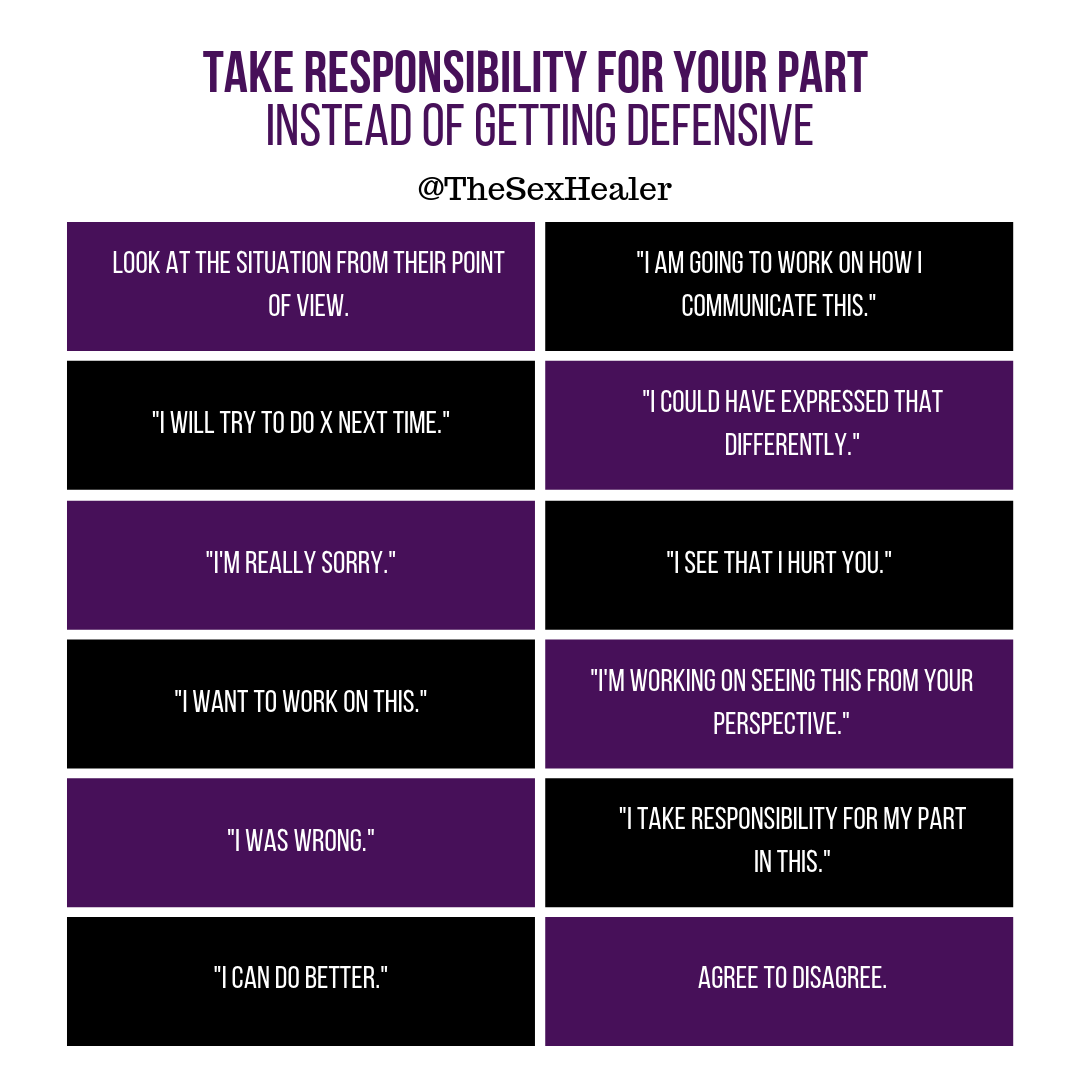
What if I told you that your defensiveness is getting in the way of your growth and pleasure, and taking personal accountability can change your life?

When you become accountable for your actions instead of getting defensive [or sarcastic, or aggressive], you create opportunities for more growth and more connections!

Easy Ways to Practice Personal Accountability: 

Look for Clues

  • Our subconscious often wants us to go back to “why it didn’t work.” We are constantly looking for clues of failure…STOP that! 
  • Turn the negative “detective” part of you into something that searches for the WIN! 
  • Look for the breadcrumbs that others who have the life you want have left behind.

Don’t Blame

  • Whose fault is it? Blaming our circumstances, our spouse, our parents will not help. Often, we don’t look in the mirror and take full responsibility for our life. 
  • Take ownership and accountability of every single thing in your life and you will feel so much freer! If things go well, it’s on me. I get to take full responsibility for all of it!
  • One way to start is noticing all the times you say “yes” when you really mean “no.” 

Find The Good 

  • It’s so easy to find what is wrong. Try to make your obsession to find the good or the win-win in every situation. 
  • Instead of just giving in, get creative. 

Be proactively positive instead of reactively negative.

Being an adult is a balance beam walk between authenticity, boundaries, and understanding the pain of ourselves and those around us. 

Responsibility takes work. It takes sitting down and reviewing our lives. We have to look for patterns and have the courage to analyze our mistakes and determine how to do better.

Do you often get defensive with your partner? Or do you take accountability?

Practice Personal Accountability

Personal accountability helps us to rewire our nervous system to experience ownership and responsibility in a number of positive ways! 

When we own our decisions and remain responsible for all of the times we spoke or acted out of integrity, our capacity to handle stress, conflict, and intense emotions increases. 

Personal accountability enables more stability and security, and creates a pattern of wanting to own more accountability.

What are your favorite ways that you have been accountable in your life? 

I’m always looking for new suggestions! 

You may be interested in reading this blog too!


About Life Coaching and Therapy

Life Coaching and Therapy (LCAT) is a therapy and coaching practice that transforms our clients lives through our flexible. Multi-technique approach and pleasure-skills training provided by systematically-trained and licensed therapists!

Get to know our founder and owner, Amanda Pasciucco, (a.k.a. The Sex Healer) PhD, Licensed Marriage and Family Therapist (LMFT), and an AASECT Certified Sex Therapist (CST) that has developed innovative therapy programs and therapy videos that get results.

Our team of compassionate, licensed therapists and certified sex therapists help all clients who visit us for a variety of personal, relationship, intimacy and sex problems.

LCAT provides on-site appointments, as well as video chat and text therapy programs.

Learn more about how LCAT can help improve your life at What We Do.

Sex After Breast Cancer

Sex After Breast Cancer


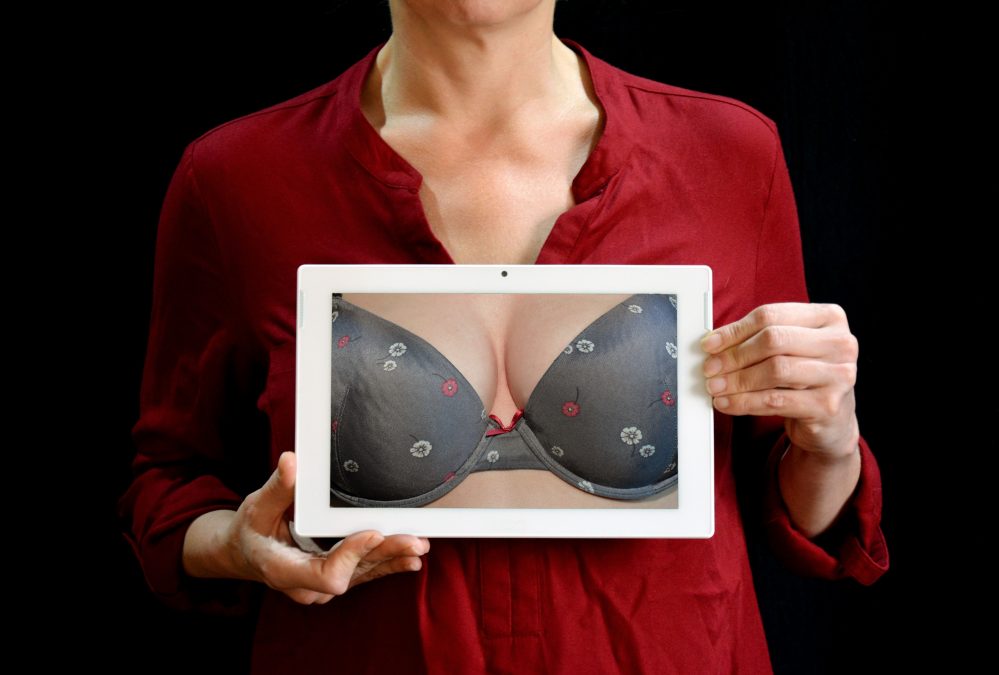
I often get asked by my female clients for alternative ways to get aroused during sex after breast cancer. They have little or no feeling in their nipples due to breast cancer or other types of breast surgery.

I have heard more than 100 women discuss changes in sensitivity around the nipple and breast, which impacts sex after breast cancer and even breastfeeding.

There is A LOT happening emotionally and spiritually while undergoing breast surgery and recovery.

The chest is an interesting body part for women, as it holds the heart and the breasts! It’s such a tender and vulnerable spot.


breast


After breast cancer surgery, many women indicate they do not feel ‘womanly’ anymore. Some feel they aren’t good enough. This is because they don’t like how they fill out their shirts, or they have unappealing scars, or they don’t get aroused easily. This creates anxiety and insecurity in their sex life.


Tips and Lessons Learned From My Clients for Sex After Breast Cancer (if your nipples aren’t sensitive anymore): 

  1. Identify your breast sensitivity: no sensation, minimal sensation, due to technique or something else.
  2. Talk to your doctor if you need to understand the cause
  3. Find another part of your body that is sensitive. Try the lower back and down the sides of the body. Go from your neck, around the chest, and down the rib cage (towards the belly). Once you find other areas that are sensitive have your partner touch you there.
  4. Reclaim your chest by either piercing your nipples or tattooing over surgery scars. 
  5. Incorporate other toys on the nipples, like nipple clamps, vibrators, or floggers (whips) to get a different feeling on the chest.
  6. Do a sexy photo shoot to reclaim your beauty.
  7. Do a mourning ritual for the chest you used to have so you can grieve and move on!


If you have had breast cancer or reconstruction, or possibly breast implants or breast reductions, how have you dealt with the feelings of insecurity, pain, embarrassment, etc.?  Please comment below, we would love to hear from you!


About Life Coaching and Therapy

Life Coaching and Therapy (LCAT) is a therapy and coaching practice that transforms our clients lives through our flexible. Multi-technique approach and pleasure-skills training provided by systematically-trained and licensed therapists!

Get to know our founder and owner, Amanda Pasciucco, (a.k.a. The Sex Healer) PhD, Licensed Marriage and Family Therapist (LMFT), and an AASECT Certified Sex Therapist (CST) that has developed innovative therapy programs and therapy videos that get results.

Our team of compassionate, licensed therapists and certified sex therapists help all clients who visit us for a variety of personal, relationship, intimacy and sex problems.

LCAT provides on-site appointments, as well as video chat and text therapy programs.

Learn more about how LCAT can help improve your life at What We Do.

Sex Education – Why is it so Sexist?

Sex Education – Why is it so Sexist?


Sex education in the United States is first introduced in schools in about 10th grade – if at all. According to the CDC, the following is supposed to be included, but it often isn’t: 

  • How to obtain and use condoms
  • Importance of using a condom at the same time as another form of contraception to prevent both STDs and pregnancy
  • How to access valid and reliable information, products and services related to HIV, STDs, and pregnancy
  • How HIV and other STDs are transmitted and their health consequences
  • Importance of limiting the number of sexual partners
  • Preventive care that is necessary to maintain reproductive and sexual health


Here is the stuff on the list that I paid for in higher sex education:

  • How to create and sustain healthy and respectful relationships
  • Influences of family, peers, media, technology and other factors on sexual risk behavior
  • Benefits of being sexually abstinent
  • Importance of using condoms consistently and correctly
  • Communication and negotiation skills
  • Goal-setting and decision-making skills
  • Influencing and supporting others to avoid or reduce sexual risk behaviors


We live in a culture of sexual health. Not a culture of sexual wellness or pleasure! 

Don’t believe me, the CDC says so!

Think about your sex education talk. While boys are taught about masturbation, girls are taught about periods and preventing pregnancy. 

Sometimes I feel like it is an “us” vs “them” mentality for the genders, but what about those beyond the binary? How do they get their sex education? 

All genders are included in sexually transmitted infections (STI) education and LGBTQ+ curriculum if schools are willing to pay for it. 

Great… so… no one knows ANYTHING!


Unless you had an older sibling that happened to share information, the “birds and the bees” talk typically goes something like… “don’t get pregnant” or “don’t get a disease.”  


Then, you move on to college and if you are blessed, as I was, your school offers sexual education or “human fertility” as it was called at Providence College! ::shaking my head:


Thankfully, no matter what, we all have the Internet to learn sex education from PORN! 

You know… another place where men and women are objectified for the pleasure of the voyeur at home. 

Porn sex education is not real! The waxed and bleached vulvas and anuses, humongous penises that are ALWAYS hard and ALWAYS cause an orgasm for the receiver are for entertainment.

Some people begin to rely solely on porn to masturbate and thus have no experience in developing or fixing a sexual connection and sexual routine with a committed partner. 


A Lack of Sex Education Can Lead to Other Life Problems

What I have seen, specifically in women, is that many feel shame about discovering and enjoying masturbation. Self-pleasure can become a normal part of sexual development if we discuss it!

A lack of sex education is problematic, because individuals enter sexual relationships without knowing what gives them pleasure and assuming it will naturally work. 

If you do not know your sexual anatomy and how the different areas are designed for pleasure, then you do not have the foundation to take control of your pleasure or your relationship. 

What often happens is a ripple effect across the entire life cycle of not getting what you want and living life on half-empty. 


Pleasure-Centered Sex Education Should Be Mandatory

I don’t even like the word “should,” but I feel passionate about our mission in helping others love themselves and their relationships! 

Over the past six years hundreds of individuals have come to see us at Life Coaching & Therapy to help them overcome  to sexual pain, shame, and insecurities. 

I’ve struggled with sexual addiction and relationship issues all of my life. I have spent years in traditional therapy with everyone from social workers to psychologists to psychiatrists. And then I found Amanda. She has an expert knowledge of the field she works in. But it’s her love and passion and new approach for her work that separates her from the rest! In a short period of time she gave me feedback and solutions to my problems. She changed my life! If you’re tired of traditional therapy, don’t wait… try Amanda! She will change your life! – Gary .

It took one visit for me to realize that Amanda was a godsend. It was a turning point in my life. Over the next few years, I experienced a lot of “aha” moments and Amanda guided me through them all. I’ve gained so many valuable lessons on: self-esteem, the ability to receive, confidence, letting emotions out, intimacy, communication, languages of love, knowing your value and much more.These lessons don’t come naturally in everyone’s life and there is no shame in seeking out assistance. Amanda’s technique was exactly what I needed. She is compassionate and helps you explore your situation and feelings, but she will be honest with you and challenge you in ways that will help you grow if you are open to it. – Al.


Are you ready to learn more and unlock a more satisfying experience?

BLISS: Proven Methods for Improving the Female Orgasm


About Life Coaching and Therapy

Life Coaching and Therapy (LCAT) is a therapy and coaching practice that transforms our clients lives through our flexible. Multi-technique approach and pleasure-skills training provided by systematically-trained and licensed therapists!

Get to know our founder and owner, Amanda Pasciucco, (a.k.a. The Sex Healer) PhD, Licensed Marriage and Family Therapist (LMFT), and an AASECT Certified Sex Therapist (CST) that has developed innovative therapy programs and therapy videos that get results.

Our team of compassionate, licensed therapists and certified sex therapists help all clients who visit us for a variety of personal, relationship, intimacy and sex problems.

LCAT provides on-site appointments, as well as video chat and text therapy programs.

Learn more about how LCAT can help improve your life at What We Do.

The Joy of Sunshine

The Joy of Sunshine


As soon as the sun starts shining, the world gets happier. Recently, it hit 60 degrees in New England, and everyone seemed more cheerful. I noticed more people smiling, individuals being friendly and courteous, and a diminished sense of “rushing” or “urgency” around me. I appreciated the sudden shift in energy and decided to explore this sunshine effect—the joy of sunshine that lifts spirits effortlessly.

My recent experience:

I was lucky to retreat to the beach recently. I went on a solo excursion to enjoy the peace of the water and bask in the glorious sunlight. Also I had some worries beforehand: the cost of getting in, the crowds, and my fear of bees. I chose to let go of those concerns and simply enjoy the opportunity—the joy of sunshine was calling me, and I wasn’t about to resist.

I arrived (free entry), made my way to the beach (barely anyone around), and relaxed (only flies… no bees). Then I looked around and appreciated the moment I was in. I felt grateful for the sun on my skin, having nothing to do but enjoy the sights, sounds, and feelings around me. Experiencing such a pure, unhurried moment reinforced the joy of sunshine and its ability to make simple days extraordinary. This sense of peace stayed with me all day. I never felt so calm and at ease as I did when I consciously stayed present in the sunlight.

Note to self: get out in the sun more often!

The science behind it:

People used to spend most of their time outdoors in sunlight. Today, we spend much more time indoors, missing the necessary Vitamin D. This vitamin is crucial for a strong immune system and bone growth. Sunlight also regulates circadian rhythms—the cycles of sleep and wakefulness. When sunlight hits our optic nerves, the brain slows melatonin release and boosts serotonin, the hormone responsible for happiness and alertness. After sunset, the cycle reverses. The more sun we get, the more serotonin our brains produce.

Sunlight = Happiness:

Beyond the science, sunlight has a psychological effect. We associate it with vacations, tanning, and days off. This creates a mental state that feels happier. Considering both the psychological and scientific aspects, it’s no wonder the world seems brighter when the sun comes out. Look forward to a summer of friendlier faces and the joy of sunshine in every little moment.


About Life Coaching and Therapy

Life Coaching and Therapy (LCAT) is a therapy and coaching practice that transforms our clients lives through our flexibility multi-technique approach and pleasure-skills training provided by systematically trained and licensed therapists!

Get to know our founder and owner, Amanda Pasciucco, (a.k.a. The Sex Healer) PhD, Licensed Marriage and Family Therapist (LMFT), and an AASECT Certified Sex Therapist (CST) who has developed innovative therapy programs and therapy videos that get results.

Our team of compassionate, licensed therapists and certified sex therapists helps all clients who visit us for a variety of personal, relationship, intimacy and sex problems.

LCAT provides on-site appointments, as well as video chat and text therapy programs.

Learn more about how LCAT can help improve your life at What We Do.

Chronic Complaining

Chronic Complaining


This trend must stop.

Numerous acquaintances come to me with their complaints and problems. And when they find the solutions, instead of solving them, they just keep complaining. Nothing is more frustrating than people who are negative, complain, and refuse to stand up for themselves to change the current pattern of their lives.

In the beginning, I would sit and listen. I would offer my services to listen or give them my perspective on the issue. After months of realizing people are complaining about the same issue and not doing anything about it. I have finally decided I am not going to use my time to enable constant complaining.

I feel blessed to have been raised in a family where complaining without action towards a solution was unacceptable. Also I have yet to meet anyone whose constant complaining has done anything positive to resolve the situation. I realize that having bitterness and aggravation towards life problems never gets anything done.

If someone tries to talk to you about his or her problems but refuse to make any changes, then you should refuse to listen to their complaining. It takes too much mental energy to try helping people who are not willing to help themselves.

If you have friends, co-workers, or family like this, it is time to stop the pattern. You must recognize that people who are chronic complainers are not going to take your advice, because they are stuck in the pattern of complaining. Let these people deal with their own stress and refuse to take it on as part of your life. You will be a much happier person if you keep yourself out of that dynamic.

You might also enjoy reading this related blog!


About Life Coaching and Therapy

Life Coaching and Therapy (LCAT) is a therapy and coaching practice that transforms our clients lives through our flexibility multi-technique approach and pleasure-skills training provided by systematically trained and licensed therapists!

Get to know our founder and owner, Amanda Pasciucco, (a.k.a. The Sex Healer) PhD, Licensed Marriage and Family Therapist (LMFT), and an AASECT Certified Sex Therapist (CST) who has developed innovative therapy programs and therapy videos that get results.

Our team of compassionate, licensed therapists and certified sex therapists helps all clients who visit us for a variety of personal, relationship, intimacy and sex problems.

LCAT provides on-site appointments, as well as video chat and text therapy programs.

Learn more about how LCAT can help improve your life at What We Do.
Happiness For Sale

Happiness For Sale


SALE! CLEARANCE! HUGE DISCOUNTS! SAVINGS UP TO 70% OFF!!

Did I get your attention? Probably….

Seriously… Stop buying things!

We all want more stuff… more new things bring us joy. How long does this joy last? Probably not that long. Research shows that happiness from purchases is fleeting. At first, I am really happy with my purchases. Then I get bored of them, they burden me, they no longer are new and pleasant, and I replace them, toss them away, donate them, or throw them back into the dresser until they are in style again. This is exactly the problem with the concept of happiness for sale—we’re chasing short-term thrills from material things.

Sometimes I clean to find that I have a brand new designer shirt crumpled in the corner of my closet. This irks me because in the store, this shirt was so exciting and called out to me. While handing my credit card over to the cashier, I didn’t realize the future of this shirt was to collect dust in the bottom corner of my closet and wrinkle itself into oblivion. What is even more unfortunate is that this has happened to me numerous times. A reality check like this reminds us that happiness for sale is often just an illusion.

My college professor in my “Consumer Society” course would cringe if she read this article. I got an A in the course, and I can’t even manage to stop buying things. I was literally trained in college not to prioritize material possessions. If I “know better” then how can I ever convince teenager girls or those around me to put their consumer ideas aside and stop purchasing unnecessarily? It’s going to be tough, but I am going to try… stay with me.

Remember that saying “less is more?”

Let’s try to apply it here. The more stuff you have, the harder it is to keep track of it. The more you bring into your house, the harder it will be to organize. All of this “stuff” becomes a burden… to clean, to wash, to organize, and to take up your time that you would utilize differently if you didn’t have so much stuff.

Easier said than done, I know. However, I found a way to curb the rush of the purchase. While doing a seasonal house cleanse, I realized that I get a rush out of getting rid of things. As I donated 10 bags of items, I felt the burden of these belongings lifting off my shoulders. I felt light and carefree. All of the sudden, I had a rush from the new space I had gained. I could dance around in my room if I wanted to. If you don’t want to donate your things, you could always sell them too. There definitely is a rush from selling belongings and getting money back from the consignment shop—but even then, you have to remember the fleeting nature of happiness for sale.

I don’t want to sell or donate. I just don’t want to purchase more.

Okay, if this describes you… you need to use your shopping time wisely. Instead of spending an afternoon alone in a store or with a friend at the mall, take some time and plan ahead. Research shows that people have much longer-lasting happiness from doing things! Doing things, rather than buying things, will give you memories to reminisce about and create longer-lasting feelings of happiness. So use your money wisely and plan an event. Don’t have money? Look at the event calendar in your town… there are plenty of things to do!

About Life Coaching and Therapy

Life Coaching and Therapy (LCAT) is a therapy and coaching practice that transforms our clients lives through our flexibility multi-technique approach and pleasure-skills training provided by systematically trained and licensed therapists!

Get to know our founder and owner, Amanda Pasciucco, (a.k.a. The Sex Healer) PhD, Licensed Marriage and Family Therapist (LMFT), and an AASECT Certified Sex Therapist (CST) who has developed innovative therapy programs and therapy videos that get results.

Our team of compassionate, licensed therapists and certified sex therapists helps all clients who visit us for a variety of personal, relationship, intimacy and sex problems.

LCAT provides on-site appointments, as well as video chat and text therapy programs.

Learn more about how LCAT can help improve your life at What We Do.