
Weird Physical Symptoms of Anxiety
Weird Physical Symptoms of Anxiety
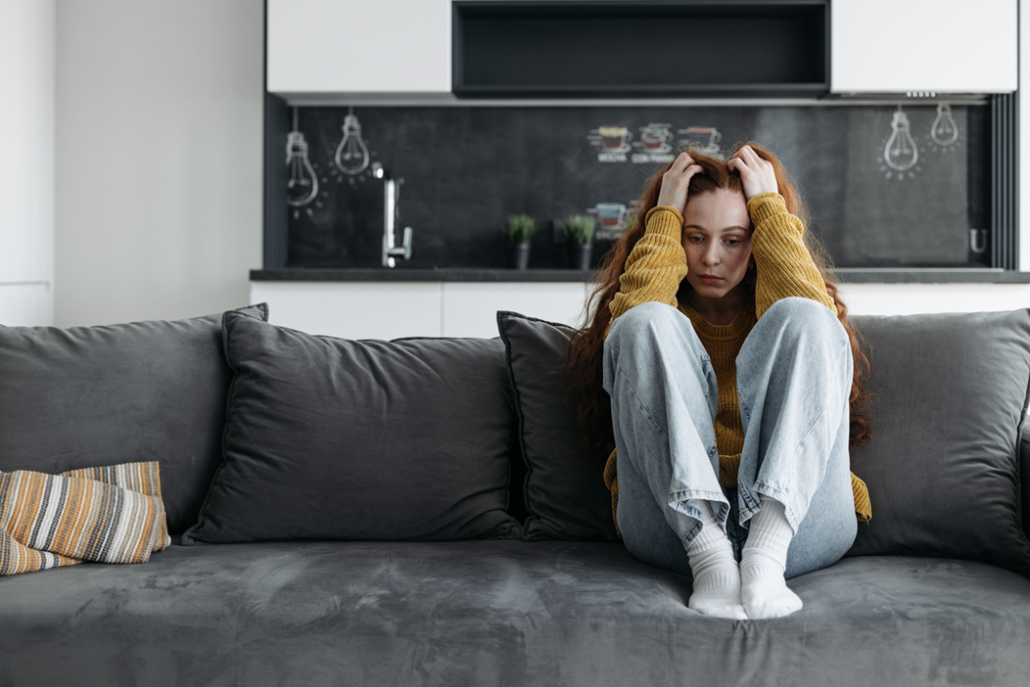
Have you ever noticed any of the weird physical symptoms of anxiety before you knew these two were connected? Maybe you’ve experienced lightheadedness while sitting alone on your couch and couldn’t find an explanation for it.
Anxiety often shows up in the body first. Your nervous system can produce these weird symptoms, which you typically wouldn’t connect to a lack of emotional and mental well-being. However, as odd as they might seem, these symptoms are quite real, and ignoring them will not make them go away. In fact, they will probably continue appearing until you’ve addressed and healed the root cause.
How Stress and Anxiety Affect the Body
If you’ve heard of the fight-or-flight response, you know it is our reaction to an external situation, person, or factor. For instance, if you hear a sudden noise behind you while walking alone, you might feel the urge to either run or stay paralyzed. The body has recognized the situation as unusual, dangerous, or unknown, and it went into “alert” mode. Whichever response you are more prone to, either fight or flight, they appear to protect you in such situations. These responses are not voluntary, as we’re mostly not even aware of our reactions when we feel unsafe.
Strange Physical Symptoms Related to Stress
Not every person will experience stress the same way. That said, certain symptoms are very common among people going through a stressful experience or period in their lives.
Tingling, Numbness, or “Pins and Needles”
Anxiety and chronic stress can affect breathing patterns and circulation, leading to temporary tingling or numb sensations in the body. Hyperventilation reduces the amount of carbon dioxide present in the bloodstream. This causes pins and needles, especially when one is panicking or experiencing an overloaded nervous system. Such feelings usually occur in the hands, feet, arms, legs, or even the face.
Dizziness or Feeling “Floaty”
Stress and anxiety can cause one to experience dizziness or light-headedness. This can happen because of fast breathing, tight muscles, and increased adrenaline, which causes you to feel out of sync. Detachment from the environment is another common symptom associated with severe stress and mental exhaustion.
Chest Tightness and Rib Pain
The tightening of the chest muscles, shoulder muscles, and rib cage is another consequence of anxiety that occurs subconsciously. The resulting symptoms may include sharp pain, pressure, soreness, or difficulty breathing deeply. However, most people misinterpret this problem as one associated with their heart, even though chest problems due to anxiety are prevalent.
Jaw Clenching and Tooth Pain
Daytime jaw clenching and nighttime teeth grinding due to stress are very common. The long-term effects may include jaw pain, headaches, sensitivity of the teeth, facial and neck tension, and may even make things worse if you suffer from TMJ syndrome.
Burning Skin or Sudden Hot Sensations
Some individuals report burning, tingling, or heat sensations when their nervous system becomes overactive. When stress hormones and adrenaline levels increase in certain situations, blood circulation can be altered, causing strange sensations on the skin.
Random Muscle Twitching
Muscle twitching is usually associated with fatigue, prolonged stress, and overstimulation of the nervous system. Prolonged muscle tension due to anxiety may result in muscle spasm or involuntary muscle movement. Twitches of the eyes, legs, and fingers are particularly common when one has not been sleeping well, is under too much stress, or is emotionally drained.
Stomach Problems and Nausea
The digestive system is well integrated with the brain, which explains why stress often affects the stomach and intestines. Stress may lead to nausea, bloating, abdominal cramps, acid reflux, diarrhea, or constipation because stress interferes with digestion. Some people may have symptoms resembling those of irritable bowel syndrome when stressed.
Lump in the Throat Sensation (“Globus” Feeling)
Anxiety and stress might also lead to contraction of the throat muscles, giving the feeling of a lump or pressure in the throat. While it may seem like there is difficulty swallowing, it does not usually involve an airway obstruction.
Unusual Head Pressure or “Brain Fog”
Stress can affect individuals both psychologically and physiologically. Physically, stress can cause muscle tightness, tiredness, difficulty sleeping, and an overstimulated nervous system. This may lead to headaches and a feeling of weight on their heads. Additionally, stress can cause problems with concentration, memory, and decision-making.
Sudden Fatigue After Stressful Events
The human body sometimes crashes immediately after a stressful or emotional episode has subsided. This is because, although adrenaline helps people remain active when they are tired, the body needs some time to recover from stress. This usually results in immense fatigue and emotional breakdowns in individuals who have been struggling through tough times.
Heart Palpitations
These heart palpitations may occur due to anxiety and may manifest as an accelerated heart rate, pounding sensation in the chest, and even heart flutters. Heart palpitations can be attributed to elevated levels of adrenaline and an overactive nervous system.
Shortness of Breath or Frequent Yawning
Anxiety and stress have the potential to interfere with natural breathing processes, leading to shallow breathing and hyperventilation. This can result in sensations such as breathlessness, chest tightness, or what is called air hunger or not being able to breathe deeply enough. Yawning frequently can be another symptom of trying to control your breathing.
Sensitivity to Noise, Light, or Crowds
When the nervous system is overwhelmed, it may lead to increased sensitivity to external stimuli. This can include light, sound, crowds, or any other over-stimulating environment that causes fatigue and irritation. Being emotionally tired and under too much stress will limit the brain’s ability to screen stimuli.
Sweating, Chills, or Temperature Swings
Hormones that result from stress affect the body’s natural ability to control its temperature. Many people have reported having instances where they get sweaty, shivers, flushing, or the feeling of being too hot or too cold because of anxiety. Having cold hands and feet is also common among some individuals when stressed.
Skin Problems and Stress Rashes
The effects of chronic stress may intensify inflammation in the body, which is known to trigger or worsen skin disorders. Skin problems such as hives, itching, acne breakouts, eczema, and stress rash are often caused by anxiety.
When to Seek Professional Help
There may be many strange physical manifestations that anxiety leads to. However, there is no room for dismissing such symptoms. A healthcare provider can rule out medical conditions and identify whether anxiety, burnout, depression, or another issue may be contributing. Early support can help improve both physical symptoms and emotional well-being.
Frequently Asked Questions
Can anxiety really cause physical symptoms even if nothing is medically wrong?
Anxiety can trigger very real physical symptoms such as dizziness, muscle tension, chest tightness, stomach problems, tingling sensations, fatigue, headaches, and even feelings of weakness or shakiness.
What are some unusual physical symptoms linked to anxiety?
Some people experience symptoms that seem unrelated to stress, including jaw pain, blurry vision, skin sensitivity, digestive issues, heart palpitations, excessive sweating, frequent colds, or a “heavy body” feeling.
When should I see a doctor for anxiety-related physical symptoms?
You should seek medical attention if symptoms are severe, sudden, persistent, or interfere with daily life. It’s important to rule out underlying medical conditions, especially for symptoms like chest pain, fainting, numbness, or breathing difficulties.
About Life Coaching and Therapy
Life Coaching and Therapy (LCAT) is a therapy and coaching practice that transforms our clients lives through our flexibility multi-technique approach and pleasure-skills training provided by systematically trained and licensed therapists!
Get to know our founder and owner, Amanda Pasciucco, (a.k.a. The Sex Healer) PhD, Licensed Marriage and Family Therapist (LMFT), and an AASECT Certified Sex Therapist (CST) who has developed innovative therapy programs and therapy videos that get results.
Our team of compassionate, licensed therapists and certified sex therapists helps all clients who visit us for a variety of personal, relationship, intimacy and sex problems.
LCAT provides on-site appointments, as well as video chat and text therapy programs.
Learn more about how LCAT can help improve your life at What We Do.