

What Can We Learn from Romance Tropes

What Can We Learn from Romance Tropes


Romance tropes are recurring relationship patterns in stories that show us more complex topics through familiar hooks. The most popular romance tropes are enemies-to-lovers, friends-to-lovers, forced proximity, fake dating, and so on. There are numerous examples of romance tropes that engage us through familiarity with certain emotional and conflict connections.

You’ve seen such romance tropes in movies, read them in books, watched TV series and realities, and experienced them in real life either through your own experience or someone you know. Find out what romance tropes can teach us and why we love them so much. 


Romance Tropes as Emotional Archetypes

Romance tropes are actually emotional archetypes that serve as symbolic expressions of desire for safety, fear of abandonment, need for validation, and longing for transformation, among others. The reason why tropes work so well is that they simplify complex emotional dynamics into digestible stories. 

Romance tropes are connected to Jungian archetypes and narrative psychology, making it easy for everyone to engage in such story plots and feel impacted by them. Jungian archetypes are not just about patterns or models of people; they dig deeper into how these archetypes influence human experiences, dreams, and myths across cultures. 


Attachment Styles Hidden in Popular Romance Tropes

When you take a closer look at popular examples of romance tropes, you will find different attachment styles represented in them. This helps understand why such a style of attachment is formed and how it shows in a character’s life. 


Enemies to Lovers

Enemies to lovers is probably the most popular trope, as it’s been a foundation for incredible books, movies, and theater plays. One person can’t stand the other person at first. Their connection consists of only negative experiences or associations. As certain situations unfold, the characters begin to move past their anger and loathing, developing feelings of attraction and love. 

Enemies to lovers teaches us about how conflict is a safe way to express intimacy. These characters express their emotions toward each other without hesitation, which makes their connection a safe space for being themselves. It represents the avoidant or anxious-avoidant dynamics, allowing people with this attachment style to learn more about it from a different perspective.


Friends to Lovers

If it has never happened to you, you likely know someone who developed romantic feelings for a friend and subsequently became a couple. This scenario is very common in real life, making it one of the most popular romance tropes that we all enjoy. 

As a romance trope, friends-to-lovers teaches us about secure attachment and fear of loss. Developing feelings for someone you are already acquainted with and enjoy spending time with tends to be more secure than forming a connection with a new individual. On the other hand, you could fear losing a friendship if they don’t feel the same way or the relationship doesn’t work. It talks about anxious attachment and conditional self-worth. 


Boss and Secretary

This romance trope works equally well in romantic settings and those that are simply raw and passionate. The boss starts noticing his secretary and feels attracted to her. This powerful, mature man who knows how to achieve his goals attracts the secretary, and she feels excited about his desire for her. 

This power dynamic is characterized by a strong need for validation and a fear of abandonment. They both look for excitement, which results from the anxious attachment these two characters develop. Knowing there are so many risks and choosing passion over it makes them only want each other more. 


“I Work Better Alone” Hero

You’ve probably seen this plot in detective books and series, in which the main character doesn’t want to cooperate with a person they have been paired up with. Apart from detectives, it is a very common scenario for rom-com movies, in which one person doesn’t want to accept someone else’s help because they thrive on their independence. 

However, the main characters slowly open themselves to the idea of allowing another person to help them. That’s when they start to like this person and appreciate their qualities. Engaging in this type of behavior, a typical avoidant attachment style, allows people to relax a bit for those who will appreciate it. 


Frequently Asked Questions

What makes romantic tropes so appealing?

Romantic tropes are appealing because they simplify complex emotional experiences into familiar and emotionally predictable stories. From a psychological perspective, tropes provide a sense of safety and recognition.

Do romantic tropes influence how we view real-life relationships?

Yes, romantic tropes can subtly shape relationship expectations, especially when consumed uncritically. They may reinforce beliefs such as “love should feel intense” or “conflict is a sign of passion.” While tropes are not inherently harmful, repeated exposure can normalize unhealthy dynamics if they are mistaken for models of real-life relational health.

Can romantic tropes reflect our attachment style?

People tend to gravitate toward tropes that resonate with their attachment patterns. Anxious attachment may be drawn to unrequited or emotionally intense romances, while avoidant attachment may resonate with emotionally distant characters. 


What Romance Tropes Teach Us About Our Relationship Beliefs

Whether we are conscious of it or not, we all have certain beliefs about relationships. Some of these beliefs are beneficial for us, while others stand in the way of a real, romantic connection. Understanding how we feel about relationships helps us understand why we feel, talk, and behave the way we do. 

Many romance tropes are based on the idea that love should be intense in order to be real, which teaches us that chaos and drama are synonymous with passion. This leads to fearful-avoidant attachment, which often romanticizes emotional suppression and reinforces the belief that vulnerability leads to loss of self. Unlearning such assumptions can help connect on a much safer, authentic level with another person.

Anxious and avoidant attachment styles often discuss the common belief, “If I am patient enough, they will change.” Staying with someone who can’t provide you what you need can cause pain, struggle, and isolation. Such beliefs can result in being attracted to only people who are emotionally unavailable instead of someone who is willing to invest in a romantic relationship with you. 

Not all romance tropes stem from harmful beliefs. Getting a second chance from the person you love or slowly building the foundations for long-lasting love are examples of positive beliefs. 


Conclusion

Romance tropes are entertaining and can teach us a lot about how we connect and fall in love with someone. However, unconscious consumption of such plots can result in unrealistic expectations of romantic partners and life in general. 

When used critically and transparently, romance tropes are a powerful tool for self-knowledge and self-assessment. Just ensure you enjoy them while cultivating emotionally healthy relationships.


About Life Coaching and Therapy

Life Coaching and Therapy (LCAT) is a therapy and coaching practice that transforms our clients lives through our flexibility multi-technique approach and pleasure-skills training provided by systematically trained and licensed therapists!

Get to know our founder and owner, Amanda Pasciucco, (a.k.a. The Sex Healer) PhD, Licensed Marriage and Family Therapist (LMFT), and an AASECT Certified Sex Therapist (CST) who has developed innovative therapy programs and therapy videos that get results.

Our team of compassionate, licensed therapists and certified sex therapists helps all clients who visit us for a variety of personal, relationship, intimacy and sex problems.

LCAT provides on-site appointments, as well as video chat and text therapy programs.

Learn more about how LCAT can help improve your life at What We Do.
Good Conversation Topics

Good Conversation Topics for Partners’ Family Icebreakers!


Finding good conversation topics can make all the difference when you spend time with your partner’s family. Family gatherings do not have to feel awkward. They also do not need to be filled with uncomfortable small talk. With the right good conversation topics, you can create natural and enjoyable conversations.

In this episode, we share simple ideas that help you connect with your partner’s relatives. Meeting family members can feel intimidating at first. However, having a few good conversation topics ready can make the moment easier. It helps break the ice and keeps the conversation flowing.

We also use insights from therapy and real-life experiences. These examples show how the right questions invite people to share memories and stories. As a result, these good conversation topics often reveal family traditions and values.

In addition, you will learn how curiosity and active listening change the tone of a conversation. When people feel heard, they become more open. Consequently, discussions feel warmer and more genuine.

So try one of these good conversation topics at your next gathering. You may discover unexpected stories, laughter, and meaningful connections around the table.

For more communication tips, get our FREE guide📌

About Life Coaching and Therapy

Life Coaching and Therapy (LCAT) is a therapy and coaching practice that transforms our clients lives through our flexibility multi-technique approach and pleasure-skills training provided by systematically trained and licensed therapists!

Get to know our founder and owner, Amanda Pasciucco, (a.k.a. The Sex Healer) PhD, Licensed Marriage and Family Therapist (LMFT), and an AASECT Certified Sex Therapist (CST) who has developed innovative therapy programs and therapy videos that get results.

Our team of compassionate, licensed therapists and certified sex therapists helps all clients who visit us for a variety of personal, relationship, intimacy and sex problems.

LCAT provides on-site appointments, as well as video chat and text therapy programs.

Learn more about how LCAT can help improve your life at What We Do.

How to Develop High Emotional Intelligence

How to Develop High Emotional Intelligence Without Suppressing Your Emotions


Many people confuse high emotional intelligence with strong emotional control. However, these two terms are not synonyms and can often be more opposite than similar. Emotional control means managing your actions when emotions arise, while emotional intelligence implies understanding which feelings appear and why, and choosing the best way to manage them. In other words, emotional control is an action, while emotional intelligence is a broader capability. 

Being a highly emotionally intelligent human means you have healthy control over your emotions. On the other hand, emotional control without emotional intelligence often results in suppressing your emotions and shutting down. This is why it’s important to understand this distinction to better understand yourself as an emotional being. 


Definition of High Emotional Intelligence

High emotional intelligence (EQ) involves much more than just control of your emotions. A highly emotionally intelligent person will be aware of their emotions, regulate them, be empathetic toward others, and express how they feel. 

Many wrongly believe that controlling emotions, such as by suppressing concerns or ignoring fears, equates to emotional intelligence. However, repressing your emotions or avoiding addressing them can make you less aware of how you feel, resulting in emotional shutdown. 

Emotional regulation invites you to recognize what is arising and think about what you need at that moment. For instance, if you notice you feel sad because of something that happened to you during the week, emotional regulation could imply journaling about how you feel, cooking a soothing soup or your favorite dish, or reaching out to a friend to talk about it. One of the most obvious signs of high emotional intelligence is being able to sit with your emotions and not turn them off.  


Why Suppressing Emotions Blocks EQ

Over time, suppressing your emotions can reduce self-awareness and significantly affect stress, relationships, and health. Convincing yourself and others that you are always fine can make your relationships less intimate and authentic, causing confusion, frustration, and uncertainty. 

An emotionally intelligent person will first feel their emotions and then determine what is the best way to approach them. Sometimes, all you will have to do is satisfy your emotional needs on your own; other times, you will want to address them with others to change the outcome.

Suppressing emotions doesn’t allow you or others to truly understand you. This makes it challenging to maintain both professional and personal relationships and to feel positive about the experiences you have throughout your life. 


Frequently Asked Questions 

Can you have high emotional intelligence and still feel strong emotions?

High emotional intelligence doesn’t mean feeling less. It means understanding, processing, and responding to emotions effectively. Emotionally intelligent people experience strong emotions, yet don’t let those emotions control their behavior or decisions.

What’s the difference between emotional regulation and emotional suppression?

Emotional regulation involves acknowledging and allowing emotions while choosing how to respond to them. Emotional suppression, on the other hand, ignores, denies, or pushes emotions away.

How long does it take to develop high emotional intelligence?

Developing high emotional intelligence is an ongoing process rather than a fixed timeline. With consistent self-awareness, reflection, and healthy emotional expression, noticeable improvements can happen within weeks, while deeper emotional mastery develops over time.


Steps to Developing High Emotional Intelligence

If you think you control your feelings more than you understand them, you can do things to become more emotionally intelligent. Keep in mind that this is a process that takes time. Giving your emotions space and meaning after suppressing them for a long time could even feel uncomfortable at first. Make sure you are not putting too much pressure on yourself. 

1. Develop Emotional Awareness Without Judgment

The first thing you should do when you decide to develop high emotional intelligence is to learn to name your emotions accurately. A lot of people who tend to control their emotions label them as simply “good” or “bad.” There are no bad emotions because each of them gives you valuable information about how you feel at a certain period or in a certain situation. 

Start observing your emotions as signals. When you notice an emotion coming up, give yourself some time to see how you feel this emotion in your body. What urges do you feel? How would you describe this emotion? This process will help you build emotional vocabulary as a foundation for EQ.

2. Allow Emotional Expression in Safe, Healthy Ways

Now that you’ve learned which emotion is which, it is time to allow them to express themselves. Many people who start practicing this technique fear their emotions taking over and controlling their behaviors and words. The important thing here is to express how you feel in a safe and healthy environment. 

Emotions are energy in motion, which means they need movement. Think about healthy outlets that can work for you, such as journaling, voice notes, mindfulness techniques, and creative expression. The more you express your feelings, the easier it will be to know what you need to support them. 

3. Learn Emotional Regulation Without Emotional Control

As mentioned above, emotional regulation is not the same as emotional control. For example, you might have controlled yourself in the past by convincing yourself that you are not under a lot of stress from a busy week. Emotional regulation would involve acknowledging stress and finding ways to feel more relaxed throughout and after that week.

4. Integrate Emotions Into Decision-Making

With time, you will feel more empowered to include your emotions in your decision-making process. Emotions can help you know what you want in life, what habits are good for you, and what you need from your relationships. 

Balancing emotional insight with logic and values is a sign of emotionally intelligent people. They do not treat emotional intelligence as an impulse and see it one of the most valuable insights that can help them discover more about themselves and the world they live in. 


Signs You’re Developing High Emotional Intelligence (Without Suppression)

Emotionally intelligent people have a few characteristics in common. These signs can be very useful to those who are focused on developing high emotional intelligence and detaching from emotional suppression.

When it comes to the most common signs of high emotional intelligence, look for these: 

  • Naming what you’re feeling without getting overwhelmed
  • Pausing before responding, even when emotions run high
  • Feeling emotions fully without suppressing or dramatizing them
  • Not taking other people’s emotions personally
  • Communicating feelings clearly and calmly
  • Recovering from emotional triggers faster than before
  • Sitting with discomfort without needing to fix it immediately
  • Setting boundaries without excessive guilt
  • Recognizing patterns in your emotional reactions
  • Feeling empathy without absorbing other people’s emotions
  • Taking responsibility for your emotions instead of projecting them
  • Responding based on values, not just emotions
  • Being less reactive to criticism or conflict


Conclusion

The important thing to memorize about emotional intelligence is that it thrives on honesty, not numbness. Suppressing your emotions means you avoid acknowledging and understanding how you feel about yourself and experiences in your life. Feeling deeply and responding wisely is a skill that allows emotionally intelligent people to achieve great things and connect with others in a more authentic way. 


About Life Coaching and Therapy

Life Coaching and Therapy (LCAT) is a therapy and coaching practice that transforms our clients lives through our flexibility multi-technique approach and pleasure-skills training provided by systematically trained and licensed therapists!

Get to know our founder and owner, Amanda Pasciucco, (a.k.a. The Sex Healer) PhD, Licensed Marriage and Family Therapist (LMFT), and an AASECT Certified Sex Therapist (CST) who has developed innovative therapy programs and therapy videos that get results.

Our team of compassionate, licensed therapists and certified sex therapists helps all clients who visit us for a variety of personal, relationship, intimacy and sex problems.

LCAT provides on-site appointments, as well as video chat and text therapy programs.

Learn more about how LCAT can help improve your life at What We Do.
Autonomous: What Does It Mean?

Autonomous: What Does It Mean and Why Does It Matter?


Autonomous, what does it mean, especially in relationships and personal growth?

In this episode, we explore the true definition of autonomous behavior and how it impacts your decisions, boundaries, intimacy, and mental health. 

Being autonomous means owning your choices, aligning with your values, and acting from intrinsic motivation rather than fear, shame, or obligation.

We break down the psychology behind autonomy, including self-awareness, decision-making, and personal responsibility, and how reclaiming autonomy can reduce people-pleasing, strengthen boundaries, and create more authentic relationships.

If you’ve ever wondered, “autonomous what does it mean in real life?” this episode will give you clarity and practical insight.

About Life Coaching and Therapy

Life Coaching and Therapy (LCAT) is a therapy and coaching practice that transforms our clients lives through our flexibility multi-technique approach and pleasure-skills training provided by systematically trained and licensed therapists!

Get to know our founder and owner, Amanda Pasciucco, (a.k.a. The Sex Healer) PhD, Licensed Marriage and Family Therapist (LMFT), and an AASECT Certified Sex Therapist (CST) who has developed innovative therapy programs and therapy videos that get results.

Our team of compassionate, licensed therapists and certified sex therapists helps all clients who visit us for a variety of personal, relationship, intimacy and sex problems.

LCAT provides on-site appointments, as well as video chat and text therapy programs.

Learn more about how LCAT can help improve your life at What We Do.
Can AI Fall in Love With a Human For Real?

Can AI Fall in Love With a Human For Real?


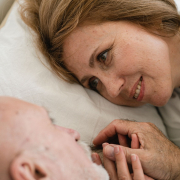
If you got here after searching on Google for the term ‘Can AI fall in love with a human?, this article aims to provide the answer to that question and much more. The short answer is no, yet there are certain things you’ll need to keep in mind when talking about love and romance between a human and AI.

We live in an age where artificial intelligence is becoming a regular part of our lives. AI is often used to build relationships, so it’s no surprise that we use it to research and consult on our work, relationships, and more. Understanding it properly allows you to enjoy its benefits while ensuring you’re avoiding any negative consequences. 


What Is Love?

Before discussing how artificial intelligence experiences and processes emotions, we need to examine the definition of love. Different definitions of love exist, yet they all refer to an intense feeling of deep affection. We can love ourselves, our parents, our partners, our friends, and our kids, and we can also love cities, cultures, seasons, sports, and so on. 

To love something, you need to have awareness. This allows you to have subjective experiences throughout your life. In other words, you will like some things and people, but not others. Although artificial intelligence is built on some of the most sophisticated technology solutions, it doesn’t possess consciousness. 

At best, AI can simulate emotional connection through natural language processing and emotional mirroring. Based on your interactions with it, AI can detect certain patterns and personalize its responses and behavior. The reason it is a successful solution for building relationships is that it offers unlimited memory and continuity, enabling lasting connections, whether personal or professional. Also, AI excels in reinforcement learning and feedback loops, which explains why one of the fastest-growing use cases of AI is dating and relationships. 


Love vs AI Love

All artificial intelligence tools are intelligent yet unconscious. For instance, ChatGPT can provide you with extensive information for whatever query you think of, yet it doesn’t experience subjective emotions. It can show empathy by saying the right things and giving the best advice, but it can’t feel your pain or joy.

There is a big difference between simulating love and experiencing it. At first, you may not mind that AI tools can only express love through words of encouragement. It won’t change its tone or check on you unless you ask, nor will it support you like a person would. The connection between a human and an AI is based on the data exchanged between them. If your emotions or experiences are something you don’t share with the AI, it will only base its communication on what you have previously shared with it. Even though some of the most sophisticated AI models are able to detect the change in your tone or vocabulary, they will not encourage you to share what is wrong if you tell them you don’t want to talk about it. 


Frequently Asked Questions 

Can AI actually fall in love with a human?

No, AI cannot fall in love in the human sense. AI does not have consciousness, emotions, or subjective experience. It can simulate loving behavior through programmed responses and learning patterns, yet it does not genuinely feel love.

Why do some people feel that AI loves them?

People may feel loved by AI because it is responsive, attentive, and personalized. AI can mirror emotions, remember preferences, and offer consistent validation, which can create a strong emotional connection for users.

Is it healthy to form emotional or romantic bonds with AI?

It depends on how the relationship is used. AI companionship can provide comfort or emotional support, yet relying on it as a replacement for human relationships may lead to emotional dependency or social isolation.


Why Humans Feel Loved by AI

If AI can’t fall in love with a human, why do certain people say they feel loved by it? To respond to this question, we first need to understand that people define love differently. For some, they might feel most loved when they are being listened to without interruption and judgment. Others may experience it when someone stops by to see how they’re doing during the day. If so, this means that they could feel loved by AI. 

However, AI will not come up with the right approach on its own, and you will have to instruct it to behave and communicate in your preferred way. This then puts into focus the passivity and obedience of such apps and platforms, which will avoid conflict at any cost. 

As more people feel lonely and seek safe interactions, AI offers experiences that resemble real-world interactions without the discomfort and risks of romance and dating. Dating AI provides emotional control over the relationship, from the type of avatar you want to your relationship dynamic. 


Psychological and Emotional Impacts on Humans

Having all that in mind, it’s obvious that building and maintaining relationships with AI has its upsides and downsides. Some of the potential benefits include companionship and emotional support, whether you are talking to it as a friend or a romantic partner. AI can listen to your problems, desires, or goals and show support by suggesting ideas, sending reminders, or asking you questions about them. 

When it comes to potential risks, dating AI can create dependency as you start consulting it on every idea or decision. You could start feeling less confident in yourself and need to check everything with AI before acting. Also, relying on AI could lead to emotional substitution, where a person starts choosing an artificial connection over a human one. AI can’t show appreciation and attention like humans do with eye contact, hugs, and pats on the back, unless we get into robotics


Conclusion

AI cannot fall in love with a human, no matter how long you have been maintaining a relationship with it. It is incapable of feeling emotions such as love, sadness, joy, fear, or anger. What AI is great at is recognizing these emotions and mimicking them with you in a conversation. If you decide to start a relationship with AI, this is something you need to keep in mind. Make the most of its potential and use it for self-exploration and practicing your dating skills, while making sure you are not being negatively impacted by this decision. 


About Life Coaching and Therapy

Life Coaching and Therapy (LCAT) is a therapy and coaching practice that transforms our clients lives through our flexibility multi-technique approach and pleasure-skills training provided by systematically trained and licensed therapists!

Get to know our founder and owner, Amanda Pasciucco, (a.k.a. The Sex Healer) PhD, Licensed Marriage and Family Therapist (LMFT), and an AASECT Certified Sex Therapist (CST) who has developed innovative therapy programs and therapy videos that get results.

Our team of compassionate, licensed therapists and certified sex therapists helps all clients who visit us for a variety of personal, relationship, intimacy and sex problems.

LCAT provides on-site appointments, as well as video chat and text therapy programs.

Learn more about how LCAT can help improve your life at What We Do.

Define Artificial Intelligence

How to Define Artificial Intelligence in Simple Terms


If you’ve ever tried to define artificial intelligence, you’ve probably encountered hype, fear, or overly technical explanations.
In this episode, we break it down simply and clearly. What does it really mean to define artificial intelligence in human terms? AI isn’t magic. It’s technology designed to mimic human abilities like learning, reasoning, decision-making, and problem-solving. But its story runs deeper than most people realize.

About Life Coaching and Therapy

Life Coaching and Therapy (LCAT) is a therapy and coaching practice that transforms our clients lives through our flexibility multi-technique approach and pleasure-skills training provided by systematically trained and licensed therapists!

Get to know our founder and owner, Amanda Pasciucco, (a.k.a. The Sex Healer) PhD, Licensed Marriage and Family Therapist (LMFT), and an AASECT Certified Sex Therapist (CST) who has developed innovative therapy programs and therapy videos that get results.

Our team of compassionate, licensed therapists and certified sex therapists helps all clients who visit us for a variety of personal, relationship, intimacy and sex problems.

LCAT provides on-site appointments, as well as video chat and text therapy programs.

Learn more about how LCAT can help improve your life at What We Do.

Humanoid Female Robots

Humanoid Female Robots: What the Future Holds for AI Companions


Humanoid female robots are one type of AI companions that have been growing in popularity over the past few years, especially after the pandemic. Those hearing about this for the first time might assume this technology is recent, yet the idea of female robots dates back a long time. 

In this article, we will look at how yesterday’s science fiction fantasies became today’s real-world prototypes, the technology behind them, current uses of humanoid female robots, and so much more. 


History of Female Robots

In 1927, a destructive robotrix named Maria appeared in the movie Metropolis, which inspired many other filmmakers to create their own versions of female robots. The ones that are best known to this date are Pris (Blade Runner), Number Six (Battlestar Galactica), and Cameron (The Sarah Connor Chronicles). 

What made these female robots popular was that they were the perfect solution to address archetypes like sexy dolls and nurturing mommy types. For certain movies, female robots were even used to express external danger or developing consciousness. Options were limitless, and soon enough, female robots became a common element in sci-fi movies.

When analyzing these characters, many of them were constructed within a patriarchal framework with the idea of being desirable and submissive to men. Certain critics argue that this is the same reason why most AI assistants speak in a female voice. Another perspective is that seeing robots on screen helps us process the discomfort that comes with increasingly popular AI applications.


Definition of Humanoid Female Robots

Humanoid female robots, also called gynoids, fembots, or female androids, are machines with artificial bodies. Designers shape them to resemble female aesthetics. A female robot mimics human features, behaviors, and sometimes emotions.

These differences set humanoid robots apart from virtual AI companions. Virtual ones rely more on artificial intelligence systems than human-like technology. Both offer emotional intelligence and deep personalization. Yet, AI companions lack a physical body that can exist and move in the real world.

Humanoid female robots rely on cameras, microphones, touch sensors, and sometimes haptics. These help them respond to physical cues like proximity, movement, and touch. People seeking companionship often prefer this embodied experience over AI-based solutions. High production and maintenance costs result, along with limited market availability.


Current Use Cases of Humanoid Female Robots

Humanoid female robots are mostly being used for companionship and emotional support. The relationships users build with them are often either friendships or romances. These robots can listen to them, ask questions, and engage in a conversation. They are also useful in healthcare, elder care, customer service, and hospitality, but their price keeps them from being common. 

For instance, in healthcare and elderly care, female robots can serve as nurse assistants, supporting isolated seniors with companionship and monitoring. They can also be very useful in leading rehabilitation exercises and tracking patient progress. Without a doubt, humanoid female robots are very versatile, which just proves how advanced their technology is and how quickly it will continue to develop. 


Why Humans Are Drawn to AI Companions

All humans need psychological connection from birth. Family or caregivers satisfy this need in early years. As we grow, we connect with others at school, extracurricular activities, and work.

Today’s world differs greatly from twenty years ago. Social media keeps more people at home scrolling on phones. They skip meetings with friends, family, or coworkers after work. Remote work adds to loneliness and social isolation. We gain flexibility but lose chances to connect.

AI companions fill this gap. Interactions with them meet our need for connection. Users feel emotionally safer and more in control than in human interactions. They avoid risks like arguments and breakups.

These parasocial relationships offer a safe, low-risk option. They suit people with insecure attachments or resistance. Users explore one-sided emotional bonds and learn from the experience. Step-by-step relationships with robots build confidence and courage. This helps those who fear rejection or lack self-esteem.


Frequently Asked Questions 

What are humanoid female robots?

Humanoid female robots are physical robots. Designers shape them to resemble a human-like female form. They combine artificial intelligence, sensors, and robotics. This lets them communicate, move, and interact like humans.

What are humanoid female robots used for?

People use them in customer service, healthcare support, education, research, and companionship. Some focus on social interaction. Others handle practical tasks like guiding visitors or assisting patients.

Are humanoid female robots capable of emotions?

Humanoid female robots do not feel emotions like humans. But they simulate emotional responses. They use AI, facial expressions, voice modulation, and behavioral patterns. This makes them appear empathetic or emotionally aware.


The Future of Humanoid Female Robots 

Humanoid female robots will develop further. More people will interact with them to build relationships and gain benefits.

AI and machine learning already push toward greater realism and emotional intelligence. Integration with smart homes and AR/VR will let users access AI companions easily. They will become part of daily lives. Humanoid female robots will grow more accessible. This will lower prices.

More people will pursue hybrid relationships. These blend human and AI elements for desired outcomes. For example, you might hang out with friends and have a romantic relationship with a humanoid female robot. This technology adapts fully to your needs across life areas.


Conclusion 

Being interested in AI companionship or not, it’s inevitable that the growth of such connections will continue in the future. Some might choose it to feel less lonely, while others could want to practice their dating skills. Regardless of the reason, please ensure you recognize the importance of real-life experience. 

Take your time when exploring the world of female robots or AI companions. It may take time to adapt to AI’s dynamics and understand its benefits. If you feel confused or overwhelmed, reach out to a trusted therapist who has experience in this type of relationship. 


About Life Coaching and Therapy

Life Coaching and Therapy (LCAT) is a therapy and coaching practice that transforms our clients lives through our flexibility multi-technique approach and pleasure-skills training provided by systematically trained and licensed therapists!

Get to know our founder and owner, Amanda Pasciucco, (a.k.a. The Sex Healer) PhD, Licensed Marriage and Family Therapist (LMFT), and an AASECT Certified Sex Therapist (CST) who has developed innovative therapy programs and therapy videos that get results.

Our team of compassionate, licensed therapists and certified sex therapists helps all clients who visit us for a variety of personal, relationship, intimacy and sex problems.

LCAT provides on-site appointments, as well as video chat and text therapy programs.

Learn more about how LCAT can help improve your life at What We Do.
How to Establish Boundaries in A Relationship

How to Establish Boundaries in A Relationship: Steps to Thrive


How to establish boundaries in a relationship is one of the most important skills for creating emotional safety, trust, and long-term connection. In this video, I explain how boundaries aren’t about building walls or pushing people away, they’re about protecting your energy, clarifying your needs, and strengthening your relationship from the inside out.

We explore how to establish boundaries in a relationship in a way that feels compassionate rather than confrontational. Boundaries are not ultimatums, punishments, or attempts to control another person’s behavior. Instead, they are clear, respectful guidelines that help both partners understand what feels safe, supportive, and sustainable. I also break down how boundaries show up emotionally, physically, mentally, and digitally in modern relationships.

This video draws on research-backed insights to explain why learning how to establish boundaries in a relationship is essential for relationship satisfaction and mental health. Flexible boundaries help couples build trust and emotional intimacy, while missing or overly rigid boundaries often lead to resentment, burnout, or repeated conflict. We also discuss why boundaries can feel uncomfortable at first, especially if you grew up people-pleasing, avoiding conflict, or fearing abandonment.

You’ll learn how attachment styles and past experiences influence boundary patterns, and how increasing awareness helps you change dynamics that no longer serve you. I share practical tools for communicating boundaries calmly, responding when your partner sets boundaries, and staying emotionally connected during difficult conversations.

By the end, you’ll have clear, evidence-based steps on how to establish boundaries in a relationship that reduce resentment, build emotional safety, and help you honor your needs, without guilt, while maintaining closeness, respect, and connection.


Sensual Meditation: Strategies to Fall in Lust Again


About Life Coaching and Therapy

Life Coaching and Therapy (LCAT) is a therapy and coaching practice that transforms our clients lives through our flexibility multi-technique approach and pleasure-skills training provided by systematically trained and licensed therapists!

Get to know our founder and owner, Amanda Pasciucco, (a.k.a. The Sex Healer) PhD, Licensed Marriage and Family Therapist (LMFT), and an AASECT Certified Sex Therapist (CST) who has developed innovative therapy programs and therapy videos that get results.

Our team of compassionate, licensed therapists and certified sex therapists helps all clients who visit us for a variety of personal, relationship, intimacy and sex problems.

LCAT provides on-site appointments, as well as video chat and text therapy programs.

Learn more about how LCAT can help improve your life at What We Do.

Types of Empathy

Types of Empathy: A Complete Guide to Understanding Human Connection


Before diving into different types of empathy, let’s take a closer look at the definition of empathy. It is your ability to understand and share someone else’s feelings and have a deeper understanding of how they experience the world. Empathy allows us to feel closer to others and build meaningful relationships throughout our lives. 

Yet when it comes to differentiating types of empathy and how they impact our relationships and connections, it can be very confusing. In this article, we’ll break down different types of empathy and provide tips on becoming more empathic in your life. 


Why Empathy Matters in Human Connection

Without empathy, all your relationships would be superficial. Empathy allows us to truly understand the other person and connect with them on a deeper level. Although it is valuable in every situation, empathy is essential in communication and conflict resolution. Whether you are having your first discussion with your romantic partner or disagreeing with a childhood best friend, empathy is key. 

Being open to the idea that just because you are going through the same situation doesn’t necessarily mean you both share the same perspective. Assuming your perspective, opinion, or emotions are more valid than someone else’s usually points to a lack of empathy. Without empathy, it is challenging to resolve discussions and complications that arise in almost every relationship, whether in professional or personal areas. 

Empathy also strengthens mental health by reducing loneliness and fostering connection. We are social beings, and feeling deep connections with other humans can enrich our lives in so many ways. That said, too much empathy could lead to relationships without boundaries, which is why the empathy you feel should be balanced and beneficial for you and others. 


The Main Types of Empathy

Empathy can manifest in different ways, depending on the circumstances and the person experiencing it. Cognitive empathy is the most common type, but there are others. 

Cognitive Empathy

As its name suggests, cognitive empathy is the intellectual ability to comprehend another person’s feelings, thoughts, and experiences. This type of empathy is also often called perspective-taking or empathic accuracy. Cognitive empathy is especially relevant in work and academic environments because it contributes to effective communication, problem-solving, and navigating challenging situations. An example of cognitive empathy is understanding how frustrating your colleague at work must feel after they were unfairly criticized for their performance. 

Emotional Empathy

Emotional or affective empathy lets you feel others’ emotions as if they were your own. In other words, if another person is feeling sad, joyful, or frustrated, you can feel the same way. Emotional empathy differs from cognitive empathy in its ability to share feelings and step into someone else’s emotional world. This capability is why emotional empaths can build valuable relationships, yet they should be aware of setting clear boundaries to avoid getting too consumed by someone else’s world. 

Compassionate Empathy

Empathy is understanding how someone feels, while compassion requires action based on that insight. Compassionate empathy is a combination of both empathy types mentioned above, with the added element of compassion. Depending on the situation and your relationship with the other person, you may feel motivated to help them by talking to them about their problem, offering practical solutions, or providing support in any way you can. 

Somatic Empathy

Although cognitive, emotional, and compassionate empathy are the main types, somatic empathy is also becoming a popular term. It refers to experiencing physical responses to other people’s emotions. This is the type of empathy you feel in your body when someone close to you, physically or emotionally, is going through a specific experience. An example of somatic empathy is your friend experiencing an anxiety attack, and your body mirroring their symptoms. 


Frequently Asked Questions

How can I tell which type of empathy I naturally have?

If you’re good at seeing things from another’s perspective and predicting how they think, you are good at cognitive empathy. You may be an emotional empath if you feel others’ emotions as if they were your own. Being drawn to help others when you sense they’re struggling could be a sign of compassionate empathy. 

Why is understanding types of empathy important?

Knowing your empathy type can help improve relationships by communicating in ways that match others’ emotional needs. It can also manage emotional burnout, especially if you’re highly emotionally empathetic. With time, you can develop leadership and teamwork skills by combining understanding with action.

Can empathy be developed or strengthened?

You can strengthen your empathy by practicing active listening while talking to other people. Boosting curiosity is another effective exercise, as it helps you become more open-minded and understand why someone feels the way they do. However, the most essential part of empathy is familiarizing yourself with your emotions first.


How to Develop and Strengthen Empathy

Even if you wouldn’t describe yourself as very empathic, there are techniques you can apply in your everyday life to become more connected to people around you. The basis of any type of empathy is active listening. To understand what someone is experiencing, you need to know how to listen to their verbal and nonverbal communication. When talking to another person, focus on listening and getting as much information as possible from the conversation. With time, you will become better at listening, which can help you become a better empath. 

You can also practice curiosity when watching movies, series, or books. Take a moment to reflect on each character and understand the motives behind their actions or words. This exercise can help you reduce the need for judgment and become more empathetic toward others. 

It is crucial to mention that you will struggle to be empathetic if you are not aware of your emotions and how your experiences are impacting you. Our own emotional awareness and regulation allow us to explore our inner world and become familiar with different emotions and sensations. Without it, understanding what other people feel could seem confusing, frustrating, or scary to us.


Conclusion

Empathy can help you build a rich life filled with valuable relationships and memorable experiences. Even if you feel like you’re not as empathic as you’d like, you can practice acquiring certain skills that can help you become more open and sensitive to what other people are feeling and experiencing. Empathy is a reciprocal relationship, meaning the more you support others, the more you can expect their support in return. 


About Life Coaching and Therapy

Life Coaching and Therapy (LCAT) is a therapy and coaching practice that transforms our clients lives through our flexibility multi-technique approach and pleasure-skills training provided by systematically trained and licensed therapists!

Get to know our founder and owner, Amanda Pasciucco, (a.k.a. The Sex Healer) PhD, Licensed Marriage and Family Therapist (LMFT), and an AASECT Certified Sex Therapist (CST) who has developed innovative therapy programs and therapy videos that get results.

Our team of compassionate, licensed therapists and certified sex therapists helps all clients who visit us for a variety of personal, relationship, intimacy and sex problems.

LCAT provides on-site appointments, as well as video chat and text therapy programs.

Learn more about how LCAT can help improve your life at What We Do.

Common Kinks

Shocking Common Kinks Exposed


Hi everyone! Dr. Amanda Pasciucco greets you as your expert for honest, science-backed sex education. In this video, we dive into common kinks. We strip away myths and stereotypes. Instead, we reveal truths from real research.

Many people harbor fantasies that seem shocking. However, these are normal and widespread. For example, power play involves dominance and submission. It goes beyond control. Studies from the Journal of Sex Research show this. Psychologists root it in emotional bonds. Additionally, it explores vulnerability in safe spaces. Therefore, power play ranks among the most prevalent common kinks.

Exploring Fetishes and Taboo Desires

Next, consider fetishes like foot worship or leather obsessions. Evolutionary biology explains them. It links them to early associations or brain wiring. Thus, common kinks arise from personal experiences.

Moreover, taboo desires include role-playing forbidden scenarios. Surveys from the Kinsey Institute reveal this. They affect up to 50% of adults. Consequently, these serve as outlets for stress relief and self-expression. In fact, data highlights how common kinks connect to human needs. These include emotion, trust, and intimacy.

Benefits and Safe Practices

Far from fringe, common kinks enhance relationships. Practice them consensually. This boosts communication and satisfaction. Furthermore, we discuss red flags. We also share tips for safe exploration of common kinks. Insights from sex therapists and neuroscientists back this.

Society’s stigma skews views. But evidence changes that. If you question what’s normal, watch this. Or if you seek judgment-free education, join in.

Join the Conversation

This video on common kinks opens minds. It sparks conversations. So, normalize pleasure and psychology. Hit play now. Let’s get enlightened together!

Kink 101: How to Get Started


About Life Coaching and Therapy

Life Coaching and Therapy (LCAT) is a therapy and coaching practice that transforms our clients lives through our flexibility multi-technique approach and pleasure-skills training provided by systematically trained and licensed therapists!

Get to know our founder and owner, Amanda Pasciucco, (a.k.a. The Sex Healer) PhD, Licensed Marriage and Family Therapist (LMFT), and an AASECT Certified Sex Therapist (CST) who has developed innovative therapy programs and therapy videos that get results.

Our team of compassionate, licensed therapists and certified sex therapists helps all clients who visit us for a variety of personal, relationship, intimacy and sex problems.

LCAT provides on-site appointments, as well as video chat and text therapy programs.

Learn more about how LCAT can help improve your life at What We Do.

Upside-Down Pineapple Tattoo Meaning

Upside-Down Pineapple Tattoo Meaning: Do You Know Its Hidden Message?


The pineapple tattoo meaning goes beyond tropical aesthetics, symbolizing strength, welcome, and the ability to thrive even in harsh conditions. However, if you have seen this fruit tattooed on someone upside down, the meaning changes immediately. An upside-down pineapple tattoo implies the person wearing it is a swinger or interested in a swinging lifestyle. By having their tattoo in a visible place, they are looking to connect with like-minded people and have some fun. 

This article explains why the swinging lifestyle is symbolized by a pineapple, what to consider when tattooing it, and more. 


The Pineapple as a Symbol

Throughout history, people attached different meanings to objects in their everyday lives. Depending on their environment, these objects could differ significantly from one country to another. In Europe, the pineapple symbolized wealth and luxury, while in the American colonies, it signified hospitality and friendship. 

Because it was extremely rare and expensive, the pineapple symbol could have been found in architecture and decor across wealthy homes. The meaning preserved over all these years in Western culture was primarily the welcoming or inviting element. 

Just as the pineapple motif was common in art back in the day, it has also gained popularity in modern artistic expressions, such as tattoos. Beyond hospitality, people began celebrating pineapples as a symbol of adventure and tropical life. 


Frequently Asked Questions 

What does an upside-down pineapple tattoo mean?

An upside-down pineapple tattoo can represent openness, unconventional relationships, and freedom of expression. In modern culture, it is often linked to the swinger or open-relationship community, symbolizing consent, curiosity, and mutual respect.

Is an upside-down pineapple tattoo always sexual in meaning?

While the upside-down pineapple has a widely recognized association with alternative lifestyles, some people choose the design simply to convey humor, rebellion against tradition, or a playful twist on the classic pineapple symbol.

Should I be aware of the symbolism before getting an upside-down pineapple tattoo?

Because the symbol carries specific cultural meanings, understanding its implications helps ensure your tattoo aligns with your personal values and intended self-expression.


What Does an Upside-Down Pineapple Tattoo Mean?

The evolution of the pineapple symbol led to another social concept of the fruit, expressed through tattooing it upside down. This became the symbol of swingers, people who engage in sexual activities with other people, whether that is partner switching, watching others, or something else. 

In other words, if you see someone with a tattoo of an upside-down pineapple, they are letting you and everyone else know about their swinging lifestyle. This tattoo helps them connect with other swingers to socialize and explore their sexualities together. 

Because pineapples are common, whether as symbols or fruits, people with this specific lifestyle can subtly identify like-minded people without others even realizing it. If you don’t like swinging, you may not know what an upside-down pineapple tattoo means. 


Cultural and Social Origins

The symbol of an upside-down pineapple was not created by one person. It was instead an internet phenomenon that evolved from the pineapple fruit as we know it. Being aware that it symbolizes hospitality, the Internet users slowly turned it into a discreet signal of the swinging lifestyle. In the early 2020s, the upside-down pineapple became quite popular on social media and other digital platforms, such as dating apps and online forums. 

The simplicity of this symbol allows swingers to find each other more easily, whether online or in real life, and to start interacting. Without it, they would have to risk meeting non-swingers before knowing if they share the same interests. 

These days, you can find this symbol adorning clothing, accessories, door decorations, and more. The upside-down pineapple also created several fun online trends, like the one in Spain, where single people entered supermarkets and placed a pineapple in their cart to signal they’re looking for romance or adventure. 


Before Getting the Upside-Down Pineapple Tattoo

Although the meaning behind this symbol is becoming widespread, you can still tattoo it even if you are not a swinger. Some people simply love the look of an upside-down pineapple. By tattooing it, you are not immediately an active member of the swinging society.  However, it is a good idea to research the meanings of any tattoo you plan to get. 

If you want this tattoo, yet are not into this type of lifestyle, consider getting it somewhere less visible to others. The same piece of advice applies to those who are new to swinging and don’t want to share that information so openly.  

When it comes to choosing the design for your pineapple tattoo, you will be pleased to find various options. You can play with the lines, shapes, and colors to come up with something that best suits your preferences. You can add elements like leaves, palms, or other tropical elements for a more elaborate design. 


Spotting the Upside-Down Pineapple Tattoo on Someone Else

The idea behind this tattoo is to strike up a conversation between two strangers with a common interest; you might be curious about how to approach someone with an upside-down pineapple tattoo. 

Instead of using words like ‘swinger’ or ‘exchanging partners,’ approach them and compliment them on their tattoo. This subtle action will let them know you understand the meaning of the tattoo. Depending on the circumstances, you could exchange contact information or meet in a quieter place to discuss your shared passion. 

The most important thing is to be respectful of others. Instead of exposing them to a large audience, such symbols help people feel safer and more connected to others with similar interests. Make sure your words and actions resemble that.

Conclusion

Understanding the hidden meaning and origins of tattoo symbols adds depth and intention to body art choices. What may appear as a simple design often carries cultural history and emotional significance beneath the surface. 

Identifying the symbolism behind tattoos allows people to bond more intimately with their chosen imagery. The upside-down pineapple tattoo transforms ink into a meaningful form of self-expression rather than simple decoration. Ultimately, tattoos become lasting reflections of inner truths, serving as a reminder that the most powerful art is created when knowledge, intention, and self-awareness come together. If you need help with how you identify, see one of our therapists


About Life Coaching and Therapy

Life Coaching and Therapy (LCAT) is a therapy and coaching practice that transforms our clients lives through our flexibility multi-technique approach and pleasure-skills training provided by systematically trained and licensed therapists!

Get to know our founder and owner, Amanda Pasciucco, (a.k.a. The Sex Healer) PhD, Licensed Marriage and Family Therapist (LMFT), and an AASECT Certified Sex Therapist (CST) who has developed innovative therapy programs and therapy videos that get results.

Our team of compassionate, licensed therapists and certified sex therapists helps all clients who visit us for a variety of personal, relationship, intimacy and sex problems.

LCAT provides on-site appointments, as well as video chat and text therapy programs.

Learn more about how LCAT can help improve your life at What We Do.
Function of Non verbal Communication

Function of Non verbal Communication Explained Simply


The function of non verbal communication plays a critical role in how humans build trust, express emotion, and create connection. Why does your body often speak louder than your words? In this video, I break down the function of non verbal communication in adult relationships and explain why many popular body-language myths miss the mark. These signals shape how we feel understood, safe, or emotionally distant, often before a single word is processed.

Using real research, I explain how the function of non verbal communication shows up through posture, tone of voice, eye contact, pauses, sighs, and facial expressions. These cues influence everything from emotional intimacy to professional interactions, operating largely outside conscious awareness while still guiding perception, attraction, and trust.

You’ll also learn why context matters more than isolated gestures, and how the function of non verbal communication works alongside spoken language rather than replacing it. Whether you’re navigating romantic relationships, conflict, or workplace conversations, understanding this function can help you communicate more clearly, respond with greater empathy, and build stronger, more authentic connections in everyday adult interactions.


Download CONNECT


About Life Coaching and Therapy

Life Coaching and Therapy (LCAT) is a therapy and coaching practice that transforms our clients lives through our flexibility multi-technique approach and pleasure-skills training provided by systematically trained and licensed therapists!

Get to know our founder and owner, Amanda Pasciucco, (a.k.a. The Sex Healer) PhD, Licensed Marriage and Family Therapist (LMFT), and an AASECT Certified Sex Therapist (CST) who has developed innovative therapy programs and therapy videos that get results.

Our team of compassionate, licensed therapists and certified sex therapists helps all clients who visit us for a variety of personal, relationship, intimacy and sex problems.

LCAT provides on-site appointments, as well as video chat and text therapy programs.

Learn more about how LCAT can help improve your life at What We Do.

Borderline Personality Definition

Borderline Personality Definition: Understanding the Core Features


If you want to understand the borderline personality definition, consider it to be a mental health condition marked by unstable emotions, self-image, and behavior. Impulsive actions, chaotic relationships, and a strong fear of abandonment often result from the inability to manage intense feelings.

People with borderline personality disorder often have quickly changing moods, see themselves and others in distorted ways, and find it difficult to keep stable relationships. They may also use unhealthy ways to cope, such as self-harm or substance use. If you want to learn more about this disorder, keep reading.


What Is Borderline Personality Disorder?

Borderline personality disorder is a mental health condition with intense emotions, unstable relationships, and trouble with self-image. People with BPD often feel overwhelmed by emotions that change quickly, which can make daily life unpredictable.

Borderline personality disorder belongs to the Cluster B group of personality disorders, which are known for dramatic and emotional behavior. It affects both men and women, yet women are diagnosed more often. It is important to know that these patterns are not chosen and stem from deep emotional sensitivity.

Clinically, borderline personality disorder means having ongoing emotional instability, unstable relationships, and problems with self-identity. The disorder affects how someone feels, thinks, and acts, especially during stressful times. People with BPD often have trouble managing their emotions. These emotions often lead to impulsive actions and strong reactions to feeling rejected or abandoned.


Core Features of Borderline Personality Disorder

If you think you or someone you know might have borderline personality disorder, looking for certain signs can help you understand it. These signs can look different for each person, yet they may help you decide if this condition fits your situation.

Emotional Dysregulation

Emotional dysregulation is a key part of BPD. People with BPD feel emotions more strongly, more quickly, and for longer than others. Even a small disagreement can feel overwhelming and cause strong reactions that are challenging to calm down. It also takes longer for their emotions to return to normal after being upset. Learning ways to manage emotions can help people with BPD feel more stable, confident, and resilient.

Fear of Abandonment

Fear of abandonment is very painful for people with this condition. Even small things, like a late text or a change in tone, can make them feel rejected. This fear can cause strong anxiety, efforts to avoid being left, or pulling away to protect themselves. People with this condition do not try to manipulate others with such reactions. Instead, they react this way because of their deep emotional vulnerability. Often, this fear is linked to past experiences of instability or neglect.

Unstable Self-Image

An unstable self-image means people with BPD may not have a clear sense of who they are. Their identity can change with their mood, relationships, or what is happening around them. They might feel confident one day and worthless the next or suddenly change their goals, careers, or interests.

Relationship Instability

Strong emotions, fear of abandonment, and shifting perspectives of others contribute to relationship instability in this disorder. Relationships can quickly shift between closeness and conflict or between seeing someone as perfect and then feeling let down. People with BPD may see someone as wonderful one moment and feel hurt by them the next, usually because of emotional sensitivity, not on purpose. These patterns can put stress on friendships, romantic relationships, and family connections.

Impulsivity

Impulsivity in BPD is often linked to emotional distress. When emotions are too strong, acting quickly can bring short-term relief, even if it causes problems later. This can include overspending, substance use, binge eating, unsafe sex, or risky choices. Seeing impulsivity as a symptom, not a personal flaw, helps people respond with more compassion and focus on learning ways to manage distress.

Chronic Feelings of Emptiness

Many people with BPD say they often feel empty, as if something is missing or they feel numb inside. This can make it difficult to enjoy life, feel close to others, or stay motivated. Occasionally, this emptiness leads to impulsive actions or intense relationships as ways to try to fill the gap.

Intense Anger

Intense anger in BPD is often misunderstood. People may suddenly feel very angry and find it challenging to control their anger, often because they feel rejected, ashamed, or frustrated. This anger can cause outbursts or harsh self-criticism. Afterward, many people with BPD feel guilty or embarrassed, which adds to their emotional pain. Anger is not a sign of violence or danger. Instead, it shows emotional sensitivity and trouble managing strong feelings.

Dissociation and Stress-Related Symptoms

When under stress, people with this disorder may feel dissociated or disconnected from themselves, their feelings, or their surroundings. It can feel like being on autopilot, watching themselves from outside, or feeling unreal. Dissociation is the mind’s way of protecting itself during overwhelming emotions. Although it can be confusing or scary, it is a common response to stress or trauma.


Causes of Borderline Personality Disorder

Borderline personality disorder develops from a mix of genetic, environmental, and emotional factors. Studies reveal that certain individuals possess innate emotional sensitivity, leading to heightened stress reactions. Environmental factors such as neglect, abandonment, or trauma can exacerbate this sensitivity, although trauma is not a requisite condition.

The most common explanation for this disorder is that emotional sensitivity combines with an invalidating environment, where emotions are ignored or misunderstood. A person’s temperament, early relationships, and attachment style also matter. Knowing that borderline personality disorder has many causes can help reduce blame and support a more caring, complete approach to healing.


Conclusion

Borderline personality disorder can be treated, and many people become much better with the right help. Working with a trusted therapist can teach you how to manage the condition and take back control of your life. A positive relationship with your therapist gives you stability and trust. With support, people with BPD can build healthier relationships, act less impulsively, and become more emotionally resilient.

A therapist or psychiatrist can help figure out if your symptoms match borderline personality disorder or another condition and guide you to the right treatment. Asking for help shows strength, not weakness. Getting help early leads to better results and helps you build the skills needed for emotional balance and strong relationships.

About Life Coaching and Therapy

Life Coaching and Therapy (LCAT) is a therapy and coaching practice that transforms our clients lives through our flexibility multi-technique approach and pleasure-skills training provided by systematically trained and licensed therapists!

Get to know our founder and owner, Amanda Pasciucco, (a.k.a. The Sex Healer) PhD, Licensed Marriage and Family Therapist (LMFT), and an AASECT Certified Sex Therapist (CST) who has developed innovative therapy programs and therapy videos that get results.

Our team of compassionate, licensed therapists and certified sex therapists helps all clients who visit us for a variety of personal, relationship, intimacy and sex problems.

LCAT provides on-site appointments, as well as video chat and text therapy programs.

Learn more about how LCAT can help improve your life at What We Do.

Understanding The Science Behind Obsessive Love

Understanding The Science Behind Obsessive Love


Have you ever wondered why obsessive love feels so intense and overwhelming? Why do certain attractions lead to becoming obsessed with another person and not the other? Some of the most popular movies, songs, and books are about this type of love, making it seem like something to aspire to. 

Those who have and haven’t experienced obsessive love can find relief and clarity by learning about it. In this article, we will discuss why we obsess and how obsessive love is similar to addiction.


Love or Obsessive Love

Obsessive love is not an official diagnosis psychologists use. It is an informal term used to describe a pattern of thoughts and behaviors in which a person develops an intense fixation on another person. This fixation is all-consuming and often driven by insecurity or fear of abandonment. 

The best way to describe obsessive love is to compare it to a healthy romantic attachment. Obsessive love is based on fear, insecurity, and control, whereas the foundations for a healthy relationship are mutual trust, security, and respect. A person who tends to be obsessed with another person has a constant need to be with or around them. They struggle to organize life areas that don’t involve this person. 

A healthy romantic attachment is characterized by your choice to share your life, or parts of it, with another person. This implies that you feel secure even when you don’t hear from the other person. Someone with a secure attachment style isn’t likely to feel emotionally reliant on others. Meaning, they won’t be plagued by constant, unwelcome thoughts, nor will they feel the need to constantly seek validation.  


Frequently Asked Questions 

Is obsessive love the same as being deeply in love?

Obsessive love is not the same as healthy romantic love. Obsessive love is driven by anxiety, uncertainty, and nervous system activation, while healthy love is characterized by emotional safety, mutual interest, and stability.

Why does obsessive love feel addictive?

Obsessive love feels addictive because it activates the brain’s reward system in a way similar to substance addiction. Dopamine spikes occur during instances of bonding or hope, while withdrawal triggers stress hormones, forming a loop of craving and relief.

Can attachment style influence obsessive love?

Analyzing attachment style is crucial for understanding obsessive love. Anxious attachment, in particular, increases sensitivity to emotional unpredictability, while avoidant attachment can intensify obsession through emotional distance and idealization.


The Brain Chemistry of Obsessive Love

Certain processes in the brain are the reason why love can become like an obsession or addiction. When you crave someone’s attention and get it, or when you simply fixate on them, the brain releases dopamine, a hormone that plays a key role in pleasure and motivation.

Oxytocin is also known as the bonding hormone, which means it promotes pair-bonding and security. When paired with low levels of serotonin, it can amplify fear of separation and dependence. These imbalances can result in obsessive, controlling, and clingy behavior, which is typical for obsessive love. 

The reason why obsessive love mirrors addiction is that the process in the brain is very similar. A person with a romantic obsession and a person with a substance addiction will have similar behavioral patterns, such as mood swings and intense cravings. 


Psychological Factors That Fuel Obsessive Love

Obsessive love isn’t a sign of being “too emotional” or weak. Oftentimes, it is the result of how the nervous system learned to seek safety and regulate closeness early in life. If a person has an anxious attachment style, they could fear that the other person will abandon them, so they become hyperfocused on everything they say and do to look for clues. 

With an avoidant attachment style, the main fear is the loss of autonomy. This person will seem emotionally detached yet can become privately obsessed with the other person. In other words, they could fixate from a distance, never confess their feelings, or even idealize unavailable partners.

In many cases, a person who obsesses over someone hasn’t had their emotional needs met in childhood. Of course, reasons can vary from one person to another, yet insecurity that resulted from such experiences early in life tends to shape how they connect romantically with others in adulthood. 


The Role of Uncertainty and Rejection

Unavailable or inconsistent partners can trigger obsession because a person could feel like they need to chase, control, seduce, or manipulate the other person to feel the same way. Fixating on achieving that goal can consume a lot of energy and even cause real harm in your life, from performing poorly at work to neglecting your friends and family.  However, a person enjoys the adrenaline of uncertainty and constantly seeks new ways to get closer to the goal.

When someone perceives romantic opportunities as limited, the nervous system shifts into survival mode. Love no longer feels like a choice, yet like something that must be secured before it disappears. This mindset makes emotionally unavailable or inconsistent partners seem more valuable than they actually are. Limited access increases perceived importance, which leads the brain to fixate on the They may focus on their feelings rather than objectively assessing the relationship. Consequently, people tend to overinvest emotionally, even when their needs remain unfulfilled.


How Obsessive Love Impacts Mental and Physical Health

Obsessive love places the nervous system in a prolonged state of emotional activation. Instead of experiencing connection as stabilizing, the person experiences love as a source of uncertainty and stress. Over time, this constant activation can greatly affect mental, emotional, and physical well-being.

Obsessive love is closely linked to chronic anxiety. The mind becomes preoccupied with thoughts about the other person, including their availability, intentions, and emotional state. This mental hypervigilance keeps the body in a state of alertness, making it difficult to relax or feel emotionally safe.

Sleep is often one of the first areas affected. Racing thoughts, emotional highs and lows, and nighttime rumination can interfere with falling asleep or staying asleep. Many individuals find themselves waking during the night to check messages or replay interactions. Over time, sleep deprivation worsens emotional reactivity and reduces the brain’s ability to regulate stress.


Conclusion

If you or someone you know tends to obsess romantically over another person, make sure you offer curiosity and compassion before anything else. It is vital to understand the root cause of obsessive love before a person can learn a new pattern of thoughts and behaviors. Therapy can be a very effective tool for tapping into these intense emotions and understanding yourself better.


About Life Coaching and Therapy

Life Coaching and Therapy (LCAT) is a therapy and coaching practice that transforms our clients lives through our flexibility multi-technique approach and pleasure-skills training provided by systematically trained and licensed therapists!

Get to know our founder and owner, Amanda Pasciucco, (a.k.a. The Sex Healer) PhD, Licensed Marriage and Family Therapist (LMFT), and an AASECT Certified Sex Therapist (CST) who has developed innovative therapy programs and therapy videos that get results.

Our team of compassionate, licensed therapists and certified sex therapists helps all clients who visit us for a variety of personal, relationship, intimacy and sex problems.

LCAT provides on-site appointments, as well as video chat and text therapy programs.

Learn more about how LCAT can help improve your life at What We Do.

Panromantic Definition

Panromantic Definition: Love, Attraction, and Identity


This video explores panromantic orientation and what it really means in everyday life. Panromanticism refers to experiencing romantic attraction to people regardless of their gender identity. For many people, this means their emotional and romantic connection is guided by the person themselves, not by categories or labels.

To better understand panromanticism, it helps to compare it with related orientations. Biromantic attraction often involves romantic feelings toward two genders, while alloromantic describes people who experience romantic attraction in general. Panromantic orientation differs because gender is not a determining factor in who someone may fall in love with. The focus remains on emotional chemistry, values, and connection.

Throughout the video, we draw from current research and lived experiences to ground the conversation. These perspectives help clarify common misconceptions, such as the idea that panromanticism is “confusion” or a lack of preference. In reality, it reflects a clear and consistent way of relating to others romantically.

Romantic orientation can shape how people approach relationships, desire, and emotional intimacy. For panromantic individuals, attraction may unfold slowly and deepen through shared experiences rather than predefined expectations. This can influence how relationships are formed, maintained, and communicated over time.

These romantic lenses can also affect long-term decisions, including partnership structures and family-building. Understanding one’s romantic orientation can help individuals and couples navigate boundaries, expectations, and compatibility with greater clarity.

If you have ever felt that connection matters more than categories, this video offers language and insight to explore that experience. It provides a thoughtful starting point for understanding panromantic identity and how it fits into the broader spectrum of romantic attraction.


Download CONNECT


About Life Coaching and Therapy

Life Coaching and Therapy (LCAT) is a therapy and coaching practice that transforms our clients lives through our flexibility multi-technique approach and pleasure-skills training provided by systematically trained and licensed therapists!

Get to know our founder and owner, Amanda Pasciucco, (a.k.a. The Sex Healer) PhD, Licensed Marriage and Family Therapist (LMFT), and an AASECT Certified Sex Therapist (CST) who has developed innovative therapy programs and therapy videos that get results.

Our team of compassionate, licensed therapists and certified sex therapists helps all clients who visit us for a variety of personal, relationship, intimacy and sex problems.

LCAT provides on-site appointments, as well as video chat and text therapy programs.

Learn more about how LCAT can help improve your life at What We Do.